Ch-3: Nutrition & Health (10 Hrs.)
Syllabus:
- Basics of nutrition – Macronutrients and Micronutrients (3)
- Importance of water and fibres in diet (1)
- Balanced diet, malnutrition, nutrition deficiency diseases, ill effects of junk foods, calorific and nutritive values of various foods, fortification of food (3)
- Introduction to food safety, adulteration of foods, effects of artificial ripening, use of pesticides, genetically modified foods (1)
- Dietary supplements, nutraceuticals, food supplements – indications, benefits, Drug-Food Interactions (2).
Nutrition:
Definition:
Nutrition is the scientific study of food and how it interacts with the body. It involves the processes of ingestion, digestion, absorption, metabolism, and excretion of food substances to promote growth, maintenance, and repair of the body.
Health:
Definition of Health (WHO, 1948):
“Health is a state of complete physical, mental, and social well-being and not merely the absence of disease or infirmity (the state of being week).” This definition emphasizes that health is not just freedom from illness but a positive state of total well-being.
Dimensions of health:
- Physical Dimension: Refers to the proper functioning of the body and its organs.
Involves being physically fit, free from disease, and having enough energy for daily activities.
- Mental Dimension: Related to the ability to think clearly, make decisions, and cope (deal) with stress.
A mentally healthy person shows emotional stability, confidence, and self-control.
Examples: positive attitude, problem-solving ability, emotional balance.
- Social Dimension: Refers to the ability to make and maintain good / meaningful relationships with others.
Good social health includes not only having relationships but also behaving appropriately with them and maintaining socially acceptable standards.
It Involves communication, cooperation, and participation in community life.
- Spiritual Dimension: Associated with beliefs, values, and purpose in life.
Gives meaning to existence and promotes inner peace and moral strength.
Examples: faith, meditation, compassion, inner satisfaction.
- Emotional Dimension: The ability to express emotions appropriately and handle stress or sadness positively. Emotional health is closely linked to mental health.
Examples: self-control, empathy (The capacity to understand another person’s feelings, thoughts, and experiences from their perspective), optimism (An optimistic outlook is the belief that good things will happen and that a situation will ultimately be successful)
- Environmental Dimension: Refers to living in a clean, safe, and pollution-free environment. Includes access to clean air, water, food, housing, and sanitation.
Examples: safe surroundings, waste management, pollution control.
- Occupational Dimension: Relates to job satisfaction and maintaining a healthy work–life balance. A healthy occupation contributes to mental and social well-being.
Examples: fair working conditions, motivation, productivity.
Basics of nutrition – Macronutrients and Micronutrients:
Macronutrients:
- Macronutrients (“macros”) are the nutrients the body needs in large amounts to create energy and maintain bodily structure and systems. Unlike micronutrients (vitamins and minerals), macronutrients provide calories.
- The three main macronutrients are,
a. Carbohydrates
b. Protein, and
c. Fat. - They’re considered essential nutrients, meaning your body either cannot make them or cannot make enough of them.
- For example, carbohydrates contain sugar, proteins provide essential amino acids, while fats contain essential fatty acids. Your body utilizes these components for specific functions.
- Macronutrients also contain energy in the form of calories. Carbs are the main energy source, but your body can use other macronutrients for energy if needed.
- The calorie content of each macronutrient is:
Carbs: 4 calories per gram
Protein: 4 calories per gram
Fat: 9 calories per gram
Food sources of carbohydrates, protein, and fat
Sources of carbohydrates include:
(a) Whole grains: brown rice, oats, farro, and barley
(b) Vegetables: peas, potatoes, corn, and other starchy veggies
(c) Fruits: mangoes, bananas, figs, and apples
(d) Beans and legumes: black beans, lentils, and chickpeas
(e) Dairy products: milk and yogurt
Sources of protein include:
(a) Poultry: chicken and turkey
(b) Eggs: particularly egg whites
(c) Red meat: beef, lamb, and pork
(d) Seafood: salmon, shrimp, and cod
(e) Dairy products: milk, yogurt, and cheese
(f) Beans and legumes: black beans, lentils, and chickpeas
(g) Nuts and seeds: almonds and pumpkin seeds
(h) Soy products: tofu, edamame, and tempeh
Sources of fat include:
(a) Extra virgin olive oil
(b) Coconut: fresh, dried, and coconut oil
(c) Avocados: fresh avocado oil
(d) Nuts and seeds: almonds and pumpkin seeds
(e) Fatty fish: salmon and herring
(f) Dairy products: full fat yogurt and cheese
Macronutrients functions
Some of the main functions of carbohydrates include
- Instant energy: Glucose is the preferred energy source for your brain, central nervous system, and red blood cells.
- Storing energy: Glucose is stored as glycogen in your muscles and liver for later use when you need energy, for example after a longer period of fasting.
- Digestion: Fiber promotes healthy bowel movements.
- Helps you feel full. Fiber fills you up after eating and keeps you feeling full for longer
Some of the main functions of amino acids from protein include:
- Building and repairing: Amino acids help create new proteins within your body. They’re also used to build and repair tissues and muscles.
- Providing structure: Amino acids provide structure to your body’s cell membranes, organs, hair, skin, and nails.
- pH balance: Amino acids help maintain a proper acid-base balance within your body.
- Creating enzymes and hormones: Without the right amino acids, your body cannot create enzymes and hormones.
Some of the main functions of lipids, or fats, include:
- Cell membrane health: Lipids are an essential component of cell membranes.
- Storing energy: Fat stored around your body serves as an energy reserve that can be used during periods during which you eat fewer calories than you burn.
- Transport and absorption: Lipids help transport and promote the absorption of the fat-soluble vitamins K, E, D, and A.
- Insulation: Fat insulates and protects your organs.
Micronutrients:
- Micronutrients are the collective term for vitamins and minerals. Unlike macronutrients (protein, fat, and carbohydrates), your body requires these in much smaller quantities—hence the prefix “micro.” Despite the small amounts needed, they are vital for growth, immune function, brain development, and disease prevention.
- Vitamins are organic compounds: They are synthesized by plants and animals. As they are organic, they can be broken down by heat, acid, or exposure to air.
- Minerals are inorganic elements: They originate in soil or water and cannot be broken down.
- When you eat, you consume the vitamins that plants and animals have created, or the minerals they have absorbed from their environment.
- Achieving Optimal Health: Because every food has a unique micronutrient profile, a diverse diet is essential. Each vitamin and mineral plays a specific, non-negotiable role in your biology. Maintaining adequate intake of all micronutrients is the foundation for optimal health and long-term disease resistance.
- Types of Micronutrients: Vitamins and minerals can be divided into four categories:
- water-soluble vitamins, and fat-soluble vitamins,
- macrominerals, and trace minerals.
Micronutrients Functions
Water-Soluble Vitamins
- Most vitamins dissolve in water and are therefore known as water-soluble. They’re not easily stored in your body and get flushed out with urine when consumed in excess.
- While each water-soluble vitamin has a unique role, their functions are related.
- For example, most B vitamins act as coenzymes that help trigger important chemical reactions. A lot of these reactions are necessary for energy production.
- The water-soluble vitamins — with some of their functions — are:
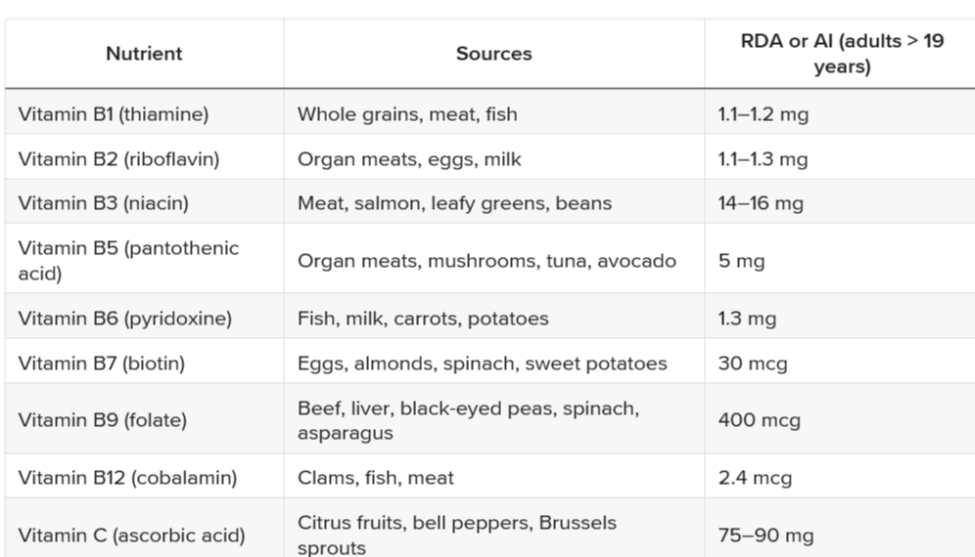
- Vitamin B1 (thiamine): Helps convert nutrients into energy
- Vitamin B2 (riboflavin): Necessary for energy production, cell function and fat metabolism.
- Vitamin B3 (niacin): Drives the production of energy from food.
- Vitamin B5 (pantothenic acid): Necessary for fatty acid synthesis.
- Vitamin B6 (pyridoxine): Helps your body release sugar from stored carbohydrates for energy and create red blood cells.
- Vitamin B7 (biotin): Plays a role in the metabolism of fatty acids, amino acids and glucose.
- Vitamin B9 (folate): Important for proper cell division.
- Vitamin B12 (cobalamin): Necessary for red blood cell formation and proper nervous system and brain function.
- Vitamin C (ascorbic acid): Required for the creation of neurotransmitters and collagen, the main protein in your skin.
- As you can see, water-soluble vitamins play an important role in producing energy but also have several other functions.
- Since these water soluble vitamins are not stored in your body, it’s important to get enough of them from food.
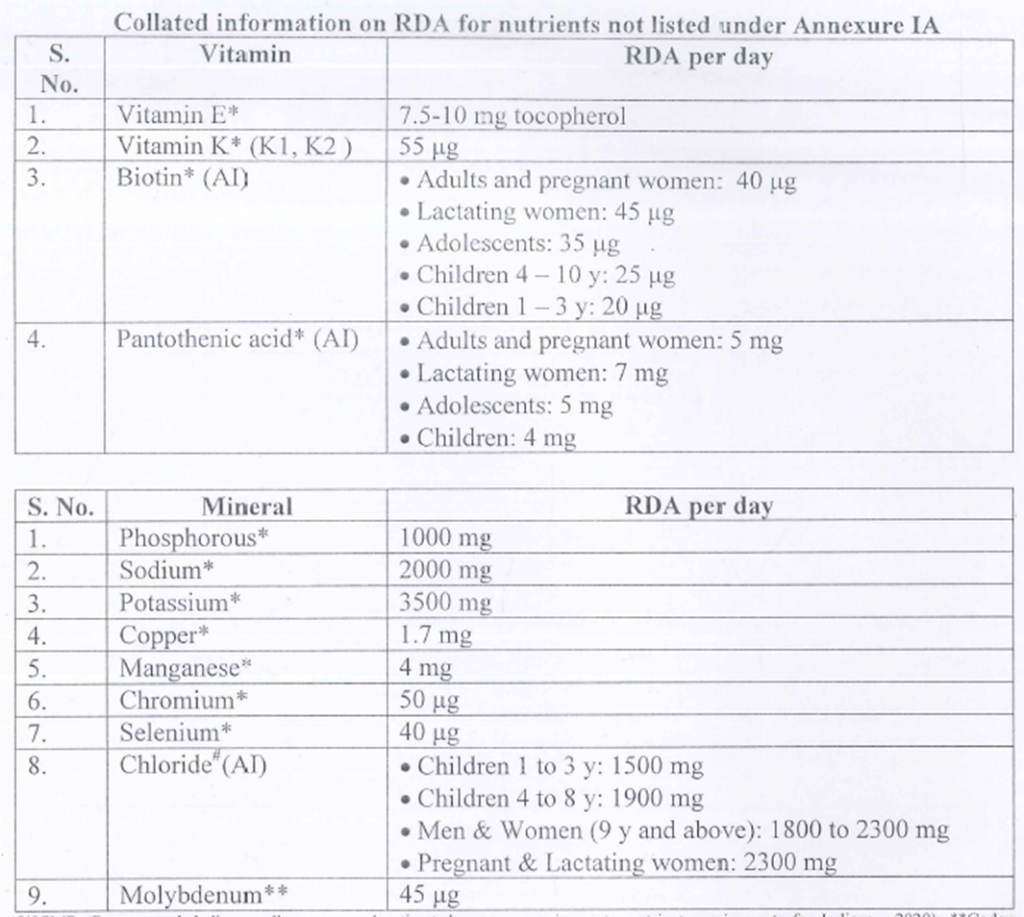
- Sources and Recommended Dietary Allowances (RDAs) or Adequate Intakes (AIs) of water-soluble vitamins are,
Fat-Soluble Vitamins
- Fat-soluble vitamins do not dissolve in water.
- They’re best absorbed when consumed alongside a source of fat. After consumption, fat-soluble vitamins are stored in your liver and fatty tissues for future use.
- The names and functions of fat-soluble vitamins are:
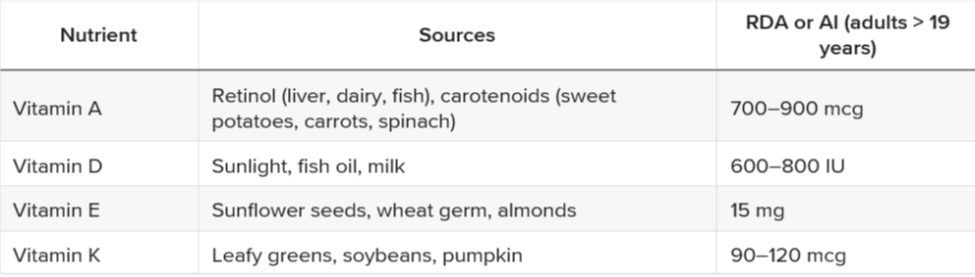
- Vitamin A: Necessary for proper vision and organ function.
- Vitamin D: Promotes proper immune function and assists in calcium absorption and bone growth.
- Vitamin E: Assists immune function and acts as an antioxidant that protects cells from damage.
- Vitamin K: Required for blood clotting and proper bone development.
- Sources and recommended intakes of fat-soluble vitamins are,
Macrominerals
- Macrominerals are needed in larger amounts than trace minerals in order to perform their specific roles in your body.
- The macrominerals and some of their functions are:
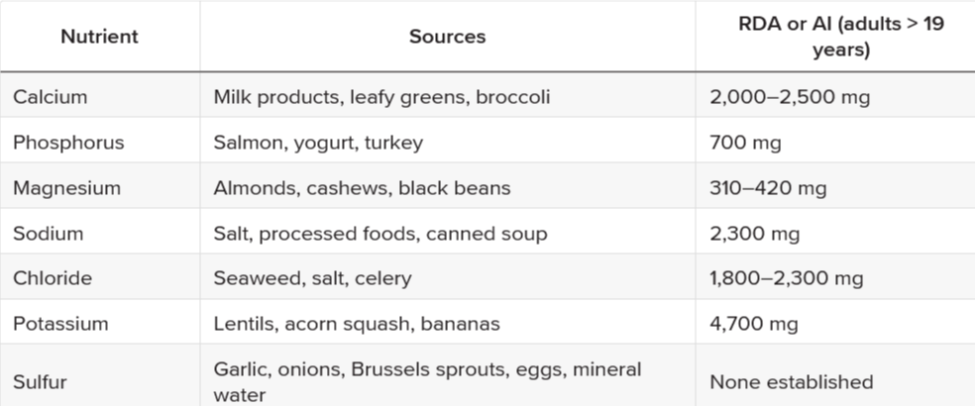
- Calcium: Necessary for proper structure and function of bones and teeth. Assists in muscle function and blood vessel contraction.
- Phosphorus: Part of bone and cell membrane structure.
- Magnesium: Assists with over 300 enzyme reactions, including regulation of blood pressure
- Sodium: Electrolyte that aids fluid balance and maintenance of blood pressure.
- Chloride: Often found in combination with sodium. Helps maintain fluid balance and is used to make digestive juices.
- Potassium: Electrolyte that maintains fluid status in cells and helps with nerve transmission and muscle function.
- Sulfur: Part of every living tissue and contained in the amino acids methionine and cysteine
- Sources and recommended intakes of the macrominerals are,
Trace Minerals
- Trace minerals are needed in smaller amounts than macrominerals but still enable important functions in your body.
- The trace minerals and some of their functions are:
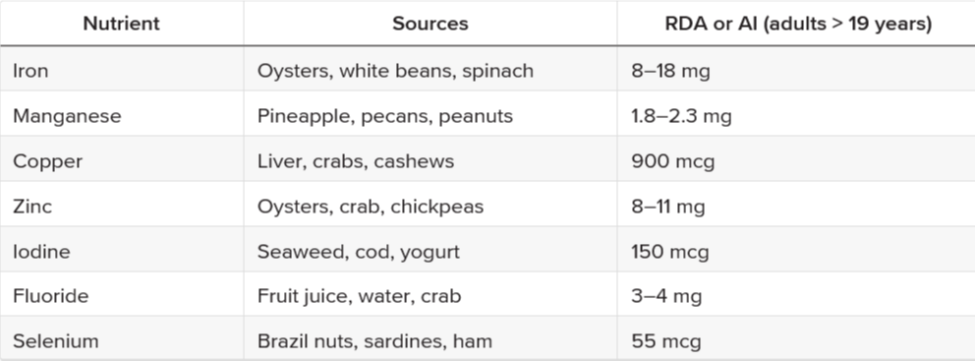
- Iron: Helps provide oxygen to muscles and assists in the creation of certain hormones.
- Manganese: Assists in carbohydrate, amino acid and cholesterol metabolism.
- Copper: Required for connective tissue formation, as well as normal brain and nervous system function.
- Zinc: Necessary for normal growth, immune function and wound healing.
- Iodine: Assists in thyroid regulation.
- Fluoride: Necessary for the development of bones and teeth.
- Selenium: Important for thyroid health, reproduction and defence against oxidative damage.
- Sources and recommended intakes of the trace minerals are,

Importance of water and fiber in diet:
Importance of water in diet:
- It helps create saliva.
- It regulates your body temperature.
- It protects your tissues.
- It helps excrete waste through perspiration, urination, and defecation.
- Lubrication and Protection: Water lubricates joints for smooth movement and acts as a shock absorber for sensitive tissues like the brain, spinal cord, and developing fetuses.
- It helps maximize physical performance.
- It helps prevent constipation.
- It aids in digestion.
- It helps with nutrient transportation and absorption.
- It helps you lose weight.
- It improves blood oxygen circulation.
- It helps keep skin bright.
- It helps fight off illness.
- Organ Health: Adequate intake reduces the burden on the kidneys and liver and lowers the risk of kidney stones and urinary tract infections.
Importance of fiber in diet:
- The complex carbohydrates that are not digested by human enzymes are collectively referred to as dietary fiber.
- These include cellulose, hemicellulose, pectin, Iignin, gums & mucilage.
- Some of the fibers are digestible by the enzymes of intestinal bacteria (e.g. pectins, gums.)
- Prevents constipation: Fiber helps to maintain the normal motility of gastrointestinal tract (GIT) & prevents constipation.
- Eliminates bacterial toxins: Fiber adsorbs large quantities of water & also the toxic compounds produced by intestinal bacteria that lead to increased fecal mass & its easier expulsion.
- Decreases GIT cancers: The lower incidence of cancers of gastrointestinal tract (e.g. colon & rectum) in vegetarians compared to non-vegetarians is attributed to dietary fiber.
- Improves glucose tolerance: Fiber improves glucose tolerance by the body. This is mainly done by a diminished rate of glucose absorption from the intestine.
- Reduces plasma cholesterol level: Fiber decreases the absorption of dietary cholesterol from the intestine.
- Fiber binds with the bile salts & reduces their enterohepatic circulation.
- Causes increased degradation of cholesterol.
- Satiety value: Fiber significantly adds to the weight of the foodstuff ingested & gives a sensation of stomach fullness.
Balanced diet, malnutrition, nutrition deficiency diseases, ill effects of junk foods, calorific and nutritive values of various foods, fortification of food
Balanced diet:
- A balanced diet is a strategic nutritional framework that provides the human body with the specific ratio of macronutrients (fuel) and micronutrients (regulators) required to maintain peak physiological function and hormonal homeostasis.
- The 7 components of a balanced diet are Carbohydrates, Proteins, Fats, Vitamins, Minerals, Fibre and Water.
- A nutritious, well-balanced diet lowers the risk of disease and enhances general health.
Benefits of balanced diet:
- May help you live longer.
- Keeps skin, teeth, and eyes healthy.
- Supports muscles.
- Stronger Immune System: Essential vitamins (A, C, E) and minerals (Zinc, Selenium) enable the body to fight off infections and recover faster from illness.
- Strengthens bones.
- Chronic Disease Reduction: Proper nutrition significantly lowers the risk of Type 2 diabetes, heart disease, hypertension, and certain cancers
- Supports healthy pregnancies and breastfeeding.
- Helps the digestive system function.
RDA (Recommended dietary allowance):
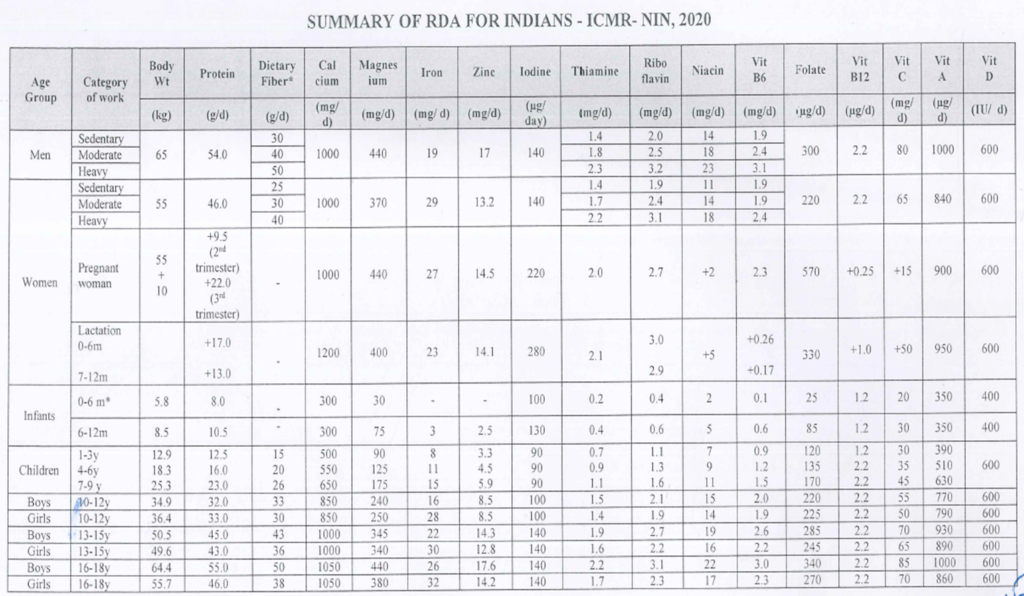
- Sec-22 of the Food Safety and Standards (FSS) Act 2006 allows the use of vitamins or minerals or amino acids in amount not exceeding the Recommended Dietary Allowance (RDA) for Indians in functional foods, foods for special dietary uses, nutraceuticals and health supplements.
- In India, the Indian Council of Medical Research (ICMR) and the National Institute of Nutrition (NIN) define the Recommended Dietary Allowances (RDA). The most recent comprehensive standards, RDA 2020, replaced the decade-old 2010 guidelines and are currently mandated by the FSSAI for food businesses.
Macronutrients
Macronutrients provide the bulk of energy and structural components for the body.
- Energy (Calories): Based on activity levels for a reference adult (65kg male, 55kg female).
- Sedentary: ~2,110 kcal (Men) | ~1,660 kcal (Women).
- Moderate: ~2,710 kcal (Men) | ~2,130 kcal (Women).
- Heavy: ~3,470 kcal (Men) | ~2,720 kcal (Women).
- Protein: Recommended at 0.83 g per kg of body weight for healthy adults (down from 1.0 g in 2010).
- Fats: Visible fat intake should be between 20g to 30g/day depending on activity levels. Total fat should not exceed 30% of total energy.
- Carbohydrates: Should constitute 45–65% of daily calories, with a minimum intake of 100–130g/day to support brain function.
- Fiber: At least 30g/day (based on a 2000 kcal diet) or 15g per 1000 kcal.
Malnutrition:
Malnutrition is a broad medical term referring to a deficiency, excess, or imbalance in a person’s intake of energy and nutrients. It is categorized into two main forms: undernutrition (insufficient intake) and overnutrition (excessive intake).
1. Macronutrient Deficiency Diseases (Undernutrition):
This occurs from a severe lack of primary energy sources: carbohydrates, proteins, and fats.
Carbohydrates:
- In carbohydrate starvation, the body shifts from glycolysis (breakdown of glucose) to lipolysis (breakdown of lipids) and ketogenesis (fatty acid to ketone bodies). The resultant accumulation of ketoacids can lower blood pH. If arterial blood pH drops significantly below the 7.35–7.45 range, it can lead to systemic complications and, if left untreated, permanent organ damage.
- Ketosis is a metabolic state where the body utilizes fat for energy instead of glucose due to low carbohydrate intake (typically <50g/day). The liver converts fats into ketones to fuel the brain. While it offers benefits like weight loss and blood sugar control, short-term side effects include the “keto flu” (headaches, nausea) and constipation due to low fiber
- Hypoglycemia: Hypoglycemia occurs when blood glucose drops below 70 mg/dL. This lack of readily available fuel leads to symptoms such as giddiness, fatigue, and irritability. In severe cases, it can lead to neuroglycopenic symptoms like delirium, seizures, or loss of consciousness.
- Constipation: Dietary fiber, a non-digestible carbohydrate, is essential for maintaining gut motility and health. It adds bulk to stool and promotes regular bowel movements. A chronic lack of fiber is a primary cause of constipation and is linked to an increased risk of colorectal cancer.
Proteins:
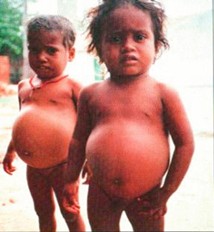
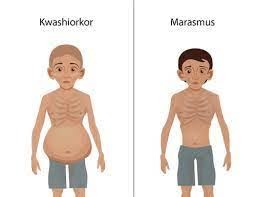
Kwashiorkor: A severe protein deficiency, often occurring in children weaned from breast milk to a high-carbohydrate, low-protein diet mostly from carbohydrates such as yams, rice and bananas. It usually affects older children. People with kwashiorkor appear puffy in the abdomen area from retention of fluid, “moon face,” thinning hair, and flaky skin.
Marasmus: Young children and infants are vulnerable to consequences of lack of protein. Marasmus is a severe lack of important nutrients. People affected by marasmus look frail and thin. This is a fatal disease that causes weight loss, and dehydration.
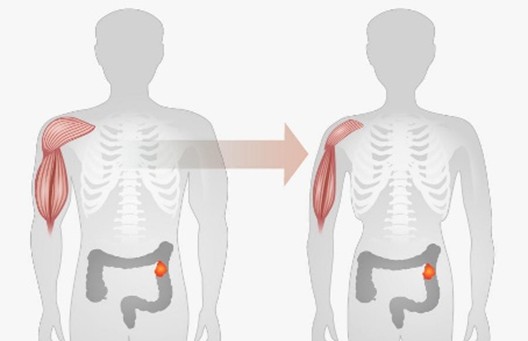
Cachexia (wasting syndrome): is a condition that causes significant weight loss and muscle loss. It often affects people with severe chronic diseases like advanced cancer and heart disease. A cachexia diagnosis often means that the end of life is near. Healthcare providers treat cachexia by managing the underlying condition and by improving nutrition.
Protein C and Protein S Deficiency: Protein C and S deficiencies are hereditary or acquired blood disorders caused by low levels of anticoagulant proteins, leading to a high risk of abnormal blood clots (thrombophilia). These deficiencies cause symptoms like pain, swelling, or redness (deep vein thrombosis), with a high risk for pulmonary embolism.

Fats
- Poor vitamin absorption: A,D,E,K are not absorbed due to lack of fat, blood clotting, metabolism of cells and immunity decreases.
- Depression: Serotonin named fluid helps calmness of brain which works efficiently by presence of fats, so if fats are absent chances of depression are more.
- Colon, breast and prostate cancer can be caused by not eating healthy fats.
- Imbalance of nutrients
- Low energy.
- Overeating.
2. Micronutrient Deficiency Diseases (Undernutrition)
These arise from a lack of specific vitamins and minerals essential for cellular function and growth.
| Nutrient | Disease/Condition | Key Symptoms |
| Vitamin A | Night Blindness / Xerophthalmia | Inability to see in low light, dry eyes, and eventual blindness. |
| Vitamin B1 | Beriberi | Nerve degeneration, muscle weakness, and heart failure. |
| Vitamin B3 | Pellagra | The “3 Ds”: Dermatitis, Diarrhea, and Dementia. |
| Vitamin B12 | Pernicious Anemia | Nerve damage, fatigue, and memory loss. |
| Vitamin C | Scurvy | Bleeding gums, loose teeth, and poor wound healing. |
| Vitamin D | Rickets (children) / Osteomalacia (adults) | Soft, weakened bones and skeletal deformities like “bow legs”. |
| Iron | Iron-Deficiency Anemia | Persistent fatigue, shortness of breath, and pale skin. |
| Iodine | Goiter / Cretinism | Enlarged thyroid gland in the neck and mental retardation in offspring. |
| Calcium | Osteoporosis / Hypocalcemia | Brittle bones, muscle cramps, and abnormal heart rhythms. |
3. Overnutrition
Consuming more nutrients than the body requires, often linked to high-calorie, low-nutrient diets.
- Obesity: Excessive fat accumulation, that increases the risk of non-communicable diseases (NCDs) like type 2 diabetes, heart disease, and certain cancers.
- Vitamin Toxicity: Excessive intake of certain micronutrients (often through supplements) can lead to toxic effects, such as nerve damage from too much Vitamin B6.
Ill effect of junk food:
What is junk food?
- Junk food is food that is high in calories, sugar, fat, and salt, but very low in essential nutrients like fiber, vitamins, and minerals, essentially providing “empty calories”. Often heavily processed and containing additives, junk foods like chips, sodas, sugary snacks, and fast food offer quick energy but little nourishment, leading to potential health issues with frequent consumption.
- Junk food is an informal term applied to some foods that are perceived to have little or no nutritional value or to products with nutritional value but which also have ingredients considered unhealthy when regularly eaten or to those considered unhealthy to consume at all.
- The term was coined by Michael Jacobson in 1972.


What junk food contain?
- Junk food is characterized by high levels of “limiting” nutrients—specifically added sugars, unhealthy fats, and sodium—while containing very little essential nutrition like fiber or vitamins.
- Primary Nutritional Components
- Added Sugars: Found in high amounts in soft drinks, candies, and desserts. This includes High-Fructose Corn Syrup (HFCS), which is commonly used for its low cost and high sweetness.
- Unhealthy Fats: Many junk foods are rich in saturated fats (from butter or palm oil) and trans fats (from partially hydrogenated oils used in frying and packaged snacks).
- Sodium (Salt): Used heavily in savory snacks like potato chips, instant noodles, and fast food to enhance flavor and act as a preservative.
- Refined Carbohydrates: Often made with refined wheat flour (maida), which do not have fiber and nutrients, leading to rapid blood sugar spikes.
- Common Chemical Additives
- Processed junk food relies on synthetic chemicals to maintain its “hyper-palatable” taste and long shelf life.
- Flavor Enhancers: Monosodium Glutamate (MSG) is widely used in savory snacks and fast food to create a more savory (umami) taste.
- Preservatives: Chemicals like Sodium Benzoate, and Sodium Nitrite (common in processed meats) prevent spoilage.
- Artificial Colors: Dyes like Red 40, Yellow 5, and Titanium Dioxide are added to make products like candy and soda visually appealing.
- Texture Modifiers: Emulsifiers (like soy lecithin) and Anti-caking agents (like Propylene Glycol) are used to prevent ingredients from separating or clumping.
What it Lacks
- Junk food is often called “empty calories” because it is severely deficient in:
- Dietary Fiber: Essential for digestion and satiety.
- Vitamins & Minerals: Necessary for nearly every bodily function.
- High-Quality Protein: Often replaced by low-quality fillers or processed meats high in saturated fat.
Ill effects or negative effects of junk food
- Unhealthy Fats: Junk food is high in saturated fats. These are unhealthy and, during digestion, can trigger inflammation and release metabolic waste products into the body.
- Poor Nutritional Value: While your body receives calories, it does not receive the essential nutrients needed for health, leading to “hidden hunger.”
- Quality Concerns: Junk food is often prepared using low-quality or highly processed ingredients that may lack proper hygiene standards.
- Organ Damage: In the long run, a poor diet can damage the stomach, liver, and intestines.
- Weakened Immunity: Because it lacks vital nutrients, people who eat junk food frequently are more prone to falling ill.
- Oxidative Stress: Continuous consumption results in the release of free radicals, which are the primary factors contributing to premature aging and cellular damage.
- Obesity: Eating junk food regularly is a major contributor to the increased risk of obesity.
Additional Health Risks
- Cardiovascular Disease: High fat and salt intake strain the heart and blood vessels.
- Type 2 Diabetes: Constant sugar loads can impair insulin function.
- Non-alcoholic Fatty Liver Disease: Excess sugar and fat are stored in the liver, causing damage.
- Increased Cancer Risk: Long-term consumption of processed foods is linked to various cancers.
- Neurological Issues: High sodium levels can increase the frequency of headaches and migraines.
- Skin Problems: High carbohydrate intake can trigger acne outbreaks.
- Mental Health: Excessive junk food consumption is linked to an increased risk of depression.
- Dental Decay: The high sugar and starch content in fast foods lead to dental cavities.
- Cholesterol Imbalance: Fried foods are often loaded with trans fats, which significantly raise LDL (bad) cholesterol.
- Insulin Resistance: “Empty” carbohydrates cause blood sugar spikes, eventually leading to insulin resistance.
- Water Retention: High sodium levels cause the body to retain excessive water, resulting in bloating.
Calorific and nutritive values of various foods:
What is Food?
Food is any nutritious substance—typically of plant, animal, or fungal origin—that is ingested by an organism to be metabolized for energy, stimulate growth, and maintain life. It consists of macronutrients (carbohydrates, proteins, and fats), micronutrients (vitamins and minerals), and essential non-nutrients like dietary fiber and water.
Classification of foods:
- Classification by Chemical Nature (The Nutrients)
- Macronutrients: Required in large amounts These provide energy.
Examples: Carbohydrates, Proteins, Fats. - Micronutrients: Required in trace amounts. These do not provide energy but are essential catalysts.
Examples: Vitamins and Minerals.
- Macronutrients: Required in large amounts These provide energy.
- Classification by Origin
- Plant Origin: Grains, legumes, fruits, vegetables, nuts, and seeds.
- Animal Origin: Meat, poultry, fish, eggs, and dairy products.
- Classification by Nutritive Value (The “Food Groups”)
Commonly used for diet planning and patient counseling:- Cereals and Millets: The primary source of calories.
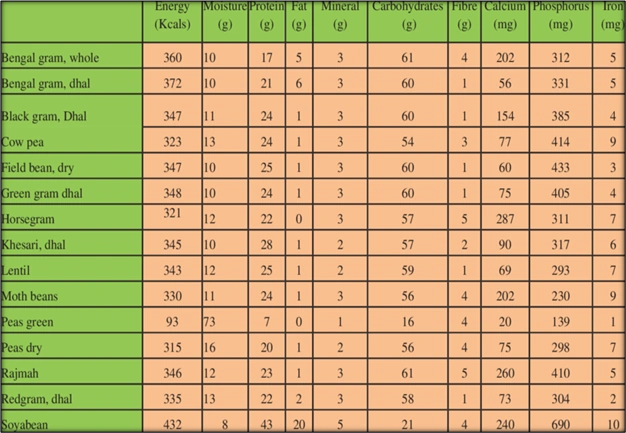
- Pulses (Legumes): The primary source of plant protein.
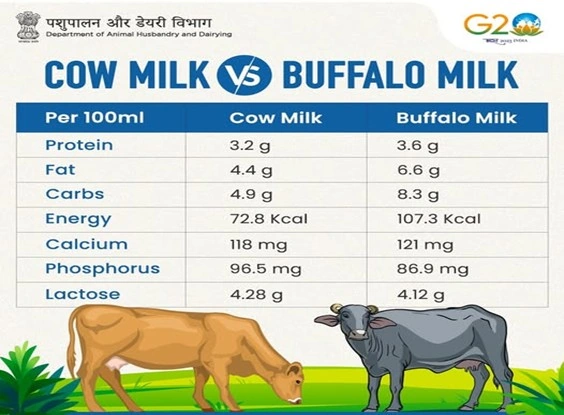
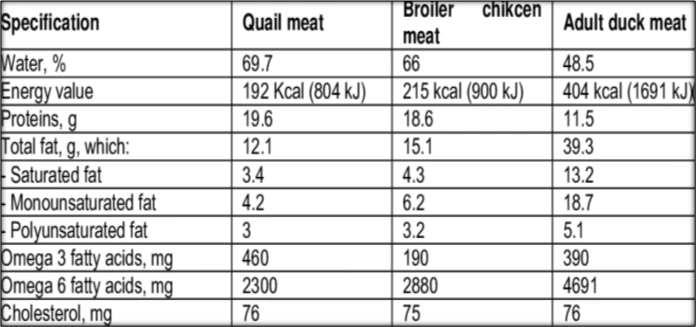
- Milk and Meat Products: Complete proteins and calcium.
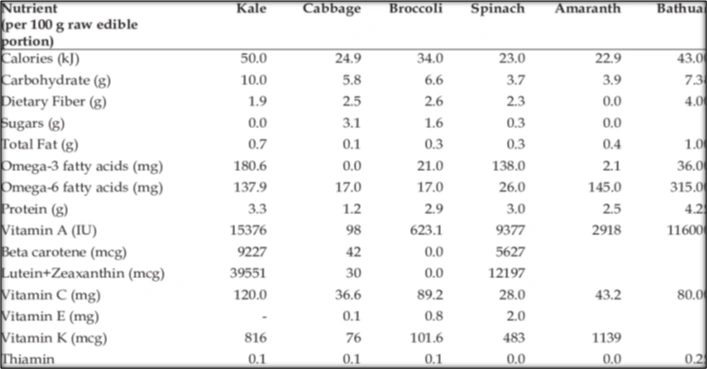
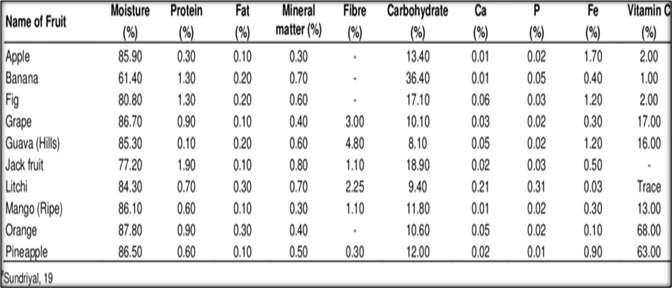
- Fruits and Vegetables: High fiber and antioxidants.
- Fats and Sugars: Concentrated energy sources.
Cereals
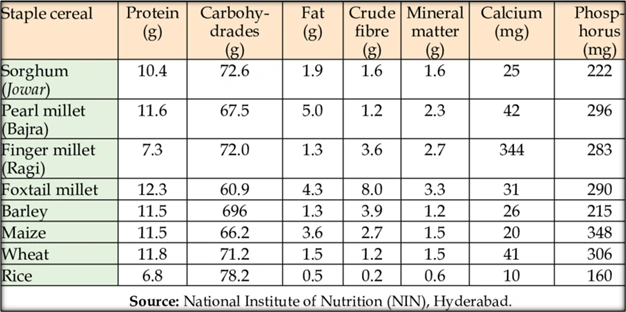
Pulses and cereals
Vegetables
Fruits
Milk
Meat and chicken
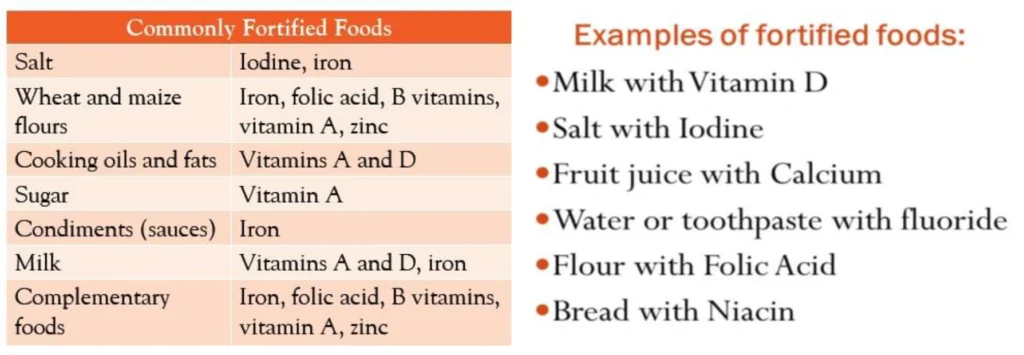
Fortification of food:
Food Fortification (also known as food enrichment) is the deliberate addition of essential micronutrients—such as vitamins, minerals, and trace elements—to staple foods (vehicles) during processing. The objective is to enhance the nutritional quality of the food supply and provide a public health benefit with minimal risk to health. It is a clinically proven, scalable, and cost-effective intervention used to eradicate Hidden Hunger (micronutrient malnutrition) across diverse populations.
- It is identified as the strategy by WHO (World health organization) and FAO (Food and agricultural organization) for decreasing the incidence of nutrient deficiencies at the global level.
- The most common fortified foods are:
- Cereals and cereal-based products
- Milk and milk products
- Fats and oils
- Accessary food items
- Tea and other beverages
- Infant formulas
Introduction to food safety, adulteration of foods, effects of artificial ripening, use of pesticides, genetically modified foods.
Introduction to food safety
Food safety
- Food safety is the scientific practice of handling, preparing, and storing food in the right way to prevent foodborne illness. It follows a strict set of rules—from the farm to the kitchen—to make sure our food is free from harmful bacteria, chemicals, or dangerous objects.
- “While food safety hazards are inherent in the supply chain, they are effectively mitigated through a thorough understanding of contamination pathways and the implementation of robust preventative controls.” or
- “Food will always have some risks, but we can keep it safe by understanding how it gets dirty and taking the right steps to stop it from happening.”
- It is the industry-standard “strategy” for Food safety:
- Analyze where the hazard is (The “Understanding”).
- Find the point where you can stop it (The “Control”).
- Monitor it to make sure it stays safe (The “Prevention”).
Why Is Food Safety Important?
Prevention of Foodborne Illness (Pathogen Control)
- The most immediate reason is to prevent infections caused by bacteria, viruses, and parasites.
- Many foodborne pathogens like Salmonella, Listeria, and E. coli can lead to severe dehydration or sepsis, requiring intensive antibiotic or intravenous (IV) therapy.
- The “Danger Zone”: Pathogens multiply rapidly between 5°C and 60°C. Maintaining temperatures outside this range is a core safety requirement.
- Children younger than age 4 have the highest incidence of laboratory-confirmed infections from:
- Campylobacter species
- Cryptosporidium species
- Salmonella species
- Shiga toxin-producing Escherichia coli
- Shigella species
- Yersinia species
Reduction of Chemical and Toxicological Risks
Food safety protocols ensure that harmful chemicals do not enter the human body.
- Contaminants: This includes pesticide residues, heavy metals (like Lead or Mercury), and mycotoxins (toxic, naturally occurring chemical substances produced by certain molds (fungi)).
- Chronic Health Impact: Long-term exposure to these chemicals can lead to kidney damage, neurological issues, or even cancer—all of which are major areas of study in Toxicology.
Protecting Vulnerable Populations (The “YOPI” Group)
- As a healthcare-focused individual, you must emphasize that food safety is life-or-death for certain groups known as YOPI:
- Y – Young (Children with developing immune systems)
- O – Old (Elderly with weakened immunity)
- P – Pregnant (Risk of miscarriage from Listeria)
- I–Immunocompromised (Patients with HIV, Cancer, or those on immunosuppressants)
Economic and Global Impact
Food safety is a pillar of the economy. A single outbreak can lead to:
- Product Recalls: Massive financial losses for food and pharma manufacturers.
- Loss of Trust: If your website or brand is associated with poor safety standards, the professional damage is permanent.
- Healthcare Costs: Millions of dollars are spent globally on hospitalizations and lost work hours due to food poisoning.
Compliance and Legal Standards
In India, staying compliant with FSSAI (Food Safety and Standards Authority of India) is a legal necessity.
- Traceability: Safety protocols allow you to track a batch of food back to its source if a problem is discovered.
- GMP/GHP: Good Manufacturing and Hygiene Practices are the “gold standard”
Three types of contamination that can potentially affects anyone:
- Physical contamination – glass, stones, wood, hair, plastic, dead insects, metal fragments, jewellery, button, etc.
- Chemical contamination – contaminants include cleaning materials, pesticide residues, perfume, adulterants.
- Microbiological contamination – food poisoning bacteria, spoilage bacteria, yeasts, moulds.
Four steps of keeping Food Safe
Clean — Wash hands and surfaces often.
Separate — Don’t cross-contaminate.
Cook — Cook to the right temperature.
Chill — Refrigerate promptly
- Clean: Wash Hands, Utensils, and Surfaces Often
- Germs that can make you sick can survive in many places around your kitchen, including your food, hands, utensils, cutting boards, and countertops.
- Wash your hands the right way:
- Use plain soap and water—and scrub the backs of your hands, between your fingers, and under your nails for at least 20 seconds.
- Rinse hands, then dry with a clean towel.
- Wash your hands often, especially during these key times when germs can spread:
- Before, during, and after preparing food.
- After handling raw meat, poultry, seafood, or their juices, or uncooked eggs.
- Before eating.
- After using the toilet.
- After changing diapers or cleaning up a child who has used the toilet.
- After touching an animal, animal feed, or animal waste.
- After touching garbage.
- Before and after caring for someone who is sick.
- Before and after treating a cut or wound.
- After blowing your nose, coughing, or sneezing.
- After handling pet food or pet treats.
- Wash surfaces and utensils after each use:
- Wash cutting boards, dishes, utensils, and countertops with hot, soapy water, especially after they’ve held raw meat, poultry, seafood, or eggs.
- Wash dish cloths often in the hot cycle of your washing machine.
- Wash fruits and vegetables, but not meat, poultry, or eggs.
- Rinse fruits and vegetables under running water without soap, bleach, or commercial produce washes.
- Rinse fruits and vegetables before peeling, removing skin, or cutting away any damaged or bruised areas.
- Scrub firm produce like melons or cucumbers with a clean produce brush.
- Dry produce with a paper towel or clean cloth towel.
- Don’t wash meat, poultry, eggs, or seafood to avoid spreading harmful germs around your kitchen.
- Produce labeled as “pre-washed” does not need to be washed again.
- Separate: Don’t Cross Contaminate
- Use separate cutting boards and plates for produce, meat, poultry, seafood, and eggs:
- Use one cutting board for fresh produce or other foods that won’t be cooked before they’re eaten, and another for raw meat, poultry, or seafood. Replace them when they are worn.
- Use separate plates and utensils for cooked and raw foods.
- Use hot, soapy water to thoroughly wash plates, utensils, and cutting boards that touched raw meat, poultry, seafood, eggs, or flour.
- Keep certain types of food separate:
- In your shopping cart, separate raw meat, poultry, seafood, and eggs from other foods and place packages of raw meat, poultry, and seafood in plastic bags if available. When you check out, place raw meat, poultry, and seafood in separate bags from other foods.
- At home, place raw meat, poultry, and seafood in containers or sealed, leakproof plastic bags. Freeze them if you’re not planning to use them within a few days.
- In the fridge, keep eggs in their original carton and store them in the main compartment—not in the door.
- Use separate cutting boards and plates for produce, meat, poultry, seafood, and eggs:
- Cook to the Right Temperature
- Food is safely cooked when the internal temperature is high enough to kill germs that can make you sick:
- Use a food thermometer to be sure your food is safe. When you think your food is done, place the food thermometer in the thickest part of the food.
- Refer to our Minimum Cooking Temperatures Chart to be sure your food has reached a safe temperature.
- Keep food hot (140˚F(60℃) or above) after cooking:
- If you’re not serving food right after cooking, keep it out of the temperature danger zone (between 40°F (4.4℃) -140°F) where germs grow rapidly by using a heat source
- Microwave food thoroughly (165˚F(74˚C) or above):
- Read package directions for cooking and follow them exactly to make sure food is thoroughly cooked.
- If the food label says, “Let stand for x minutes after cooking,” follow the directions — letting microwaved food sit for a few minutes allows food to cook thoroughly as colder areas absorb heat from hotter areas.
- Stir food in the middle of heating. Follow package directions for commercially prepared frozen food; some are not designed to be stirred while heating.
- Food is safely cooked when the internal temperature is high enough to kill germs that can make you sick:
- Chill: Refrigerate and Freeze Food Properly.
- Refrigerate perishable foods within 2 hours:
- Bacteria that cause food poisoning multiply quickest between 40°F and 140°F.
- Your refrigerator should be set to 40°F or below and your freezer to 0°F(-17.7˚C) or below. Use an appliance thermometer to be sure.
- Never leave perishable foods out of refrigeration for more than 2 hours.
- If the food is exposed to temperatures above 90°F (like a hot car or summer picnic), refrigerate it within 1 hour.
- Leftovers should be placed in shallow containers and refrigerated promptly to allow quick cooling.
- Never thaw or marinate foods on the counter.
- The safest way to thaw or marinate meat, poultry, and seafood is in the refrigerator.
- Freezing does not destroy harmful germs, but it does keep food safe until you can cook it.
- Know when to throw out food by checking our Safe Storage Times chart. Be sure you throw food out before harmful bacteria grow.
- Refrigerate perishable foods within 2 hours:
Adulteration of food
“The process of lowering the nutritive value of food either by removing a vital component or by adding substances of inferior quality is called food adulteration.”
- The substance that is used to lower the quality is known as adulterant.
- Reasons for food adulteration are:
- To get more profit
- To increase weight
- To increase volume of trade by showing lower prices
Modes by which the quality of food is lowered.
Here are the 5 main ways (steps) food is adulterated:
- Admixture (Mixing)
- The step of mixing an inferior or cheaper substance with the original food product.
- Process: The adulterant looks very similar to the food item and is mixed in to increase weight or volume.
- Example: Mixing low quality rice with good quality rice; mixing low quality milkwith good quality milk.
- Substitution
- The step of completely or partially replacing the original food with a look-alike substance.
- Process: The healthy ingredients are taken out or not used at all, and a fake alternative is used instead.
- Example: Replacing coffee powder with tamarind seed powder; replacing ghee with hydrogenated fat (vanaspati).
- Abstraction (Removal)
- The step of taking out a vital or nutritious component from the food.
- Process: The most valuable part of the food is extracted and sold separately, leaving the remaining food with lower nutritional value.
- Example: Removing milk fat (cream) from whole milk and selling the remaining skimmed milk as “whole milk”; removing volatile oil from cloves or cardamom.
- Concealing Quality (Camouflage)
- The step of hiding the poor quality of food to make it look fresh.
- Process: Using chemicals or colors to mask spoilage or defects.
- Example: Adding Metanil Yellow to old/pale turmeric; using copper sulphate to make stale green vegetables look bright green.
- Misbranding
- The step of giving a false label or claim to the product.
- Process: Selling a product under a misleading name or changing the expiration date.
- Example: Selling “fruit flavored sugar water” as “100% Real Fruit Juice.”
Effects of adulteration on humans:
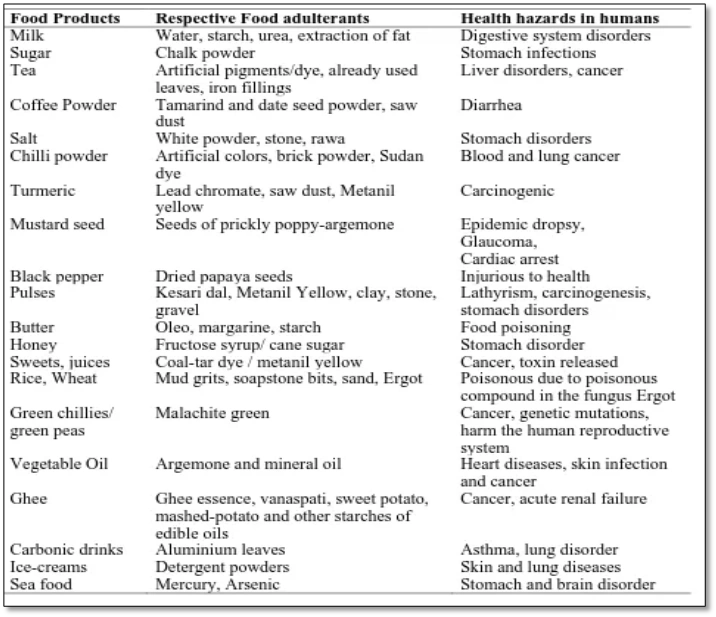
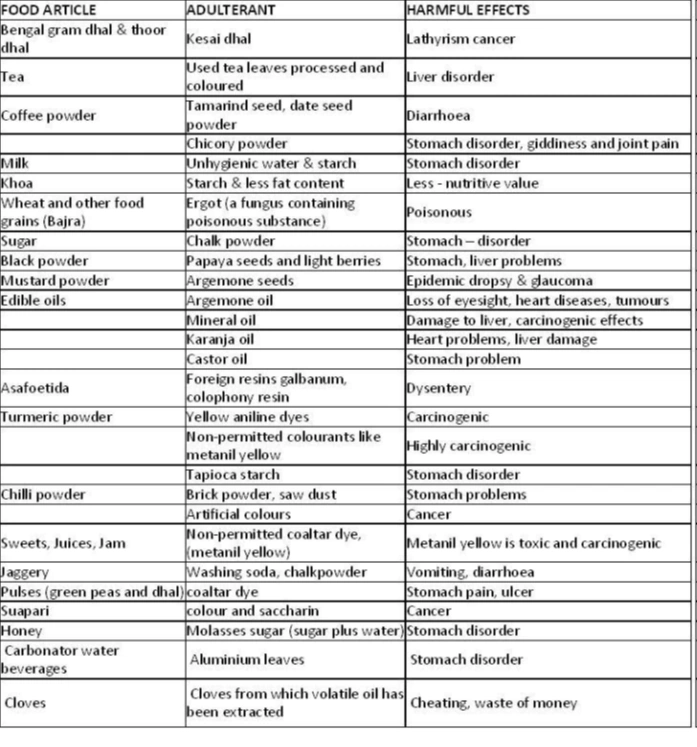
- Symptoms like headache, gastro-intestinal disorders, muscular pain, drowsiness, allergic reactions, cancer etc., appear, if adulterated food substances are used regularly.
For example,- Nordihydroguaiaretic acid is an antioxidant used in food fats, which has been found to produce allergic reactions in some individuals.
- The argemone oil used to adulterate ghee and butter is highly toxic. It causes a disease known as dropsy. Watery fluid collecting in some parts of the body is the main symptom. It affects the normal functioning of the body. It may also paralyze the limbs.
- Metanil yellow used to brighten the colour of pulses, turmeric powder and sweet meats, is a coal-tar dye. It may cause cancer.
- Washing soda is often added to powdered sugar and other food items, may cause intestinal disorders.
- Food items prepared under unhygienic conditions and stale foods cause food poisoning.
Food Standard
The quality, composition, labeling, presentation and advertising of food is covered by legal requirements known as Food Standards. These also cover the suitability of materials and articles that come into contact with food.
Objectives of the Standard
- To ensure the quality, safety and legality of packaging and packaging materials.
- To ensure the packaging producer has robust quality and safety systems.
- Maintain customer confidence in their supply base through audit and certification
- Provides a basis for approval of suppliers.
- To Protect Public Health (Safety)
- To Prevent Fraud and Adulteration (Fair Trade)
- To Ensure Nutritional QualityTo Provide Correct Information (Labeling)
- Ensuring Food Quality and Authenticity
- Consumer Empowerment and Transparency
- Facilitating Fair Trade
Precautions to be taken by the public regarding adulteration
- It is better to avoid adulterated cold drinks, instead you can have any fresh fruit juice and tender coconut.
- Parents should be concerned about the quality and freshness of these food articles like chocolates and sweets that children usually like.
- The seal should be checked for validity and integrity.
- Take the help of food adulteration testing centers.
- Lodge complaints to the concerned authorities, if adulteration is detected.
- Make sure that food packets carry ISI, AGMARK, FSSAI or FPO labels, before buying.
- Do not buy food articles, if expiry date is crossed.
Adulteration and law
- The Government of India has publicized an Act called the “Prevention of Food Adulteration Act’ in the year 1954.
- The Act has been periodically amended to check dishonest practices of traders. If the traders violate the standards mentioned in the Act, they are punishable under law.
- The quality controlling agencies like Indian Standards Institution (ISI) and Directorate of Marketing and Inspection (DMI-AGMARK) test the food products for their quality periodically.
- FPO – Food Processing Organization and the local health departments in the Corporation also conduct periodic surveys and issue certificates. All the packets containing food products must carry ISI, AGMARK, FSSAI or FPO stamp
Artificial ripening agents:
- These are chemicals or agents which are used to ripe fruit artificially.
- They are used during pre-harvest, post-harvest, storage and transport.
- They induce colour changes and accelerate ripening.
- Some of most commonly used artificial ripeners:
- Calcium carbide (CaC2)
- Ethephon/Ethrel
- Ethylene (C2H4)
- Calcium carbide (CaC2)
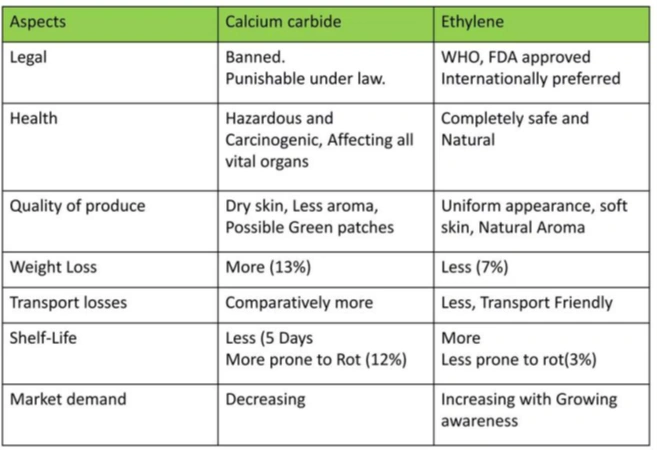
- Calcium Carbide is widely used chemical to accelerate ripening.
- Calcium Carbide reacts with moisture in the air to produce acetylene gas.
- It contains traces of arsenic and phosphorus which are toxic and may be hazardous to health.
- It is carcinogenic and believed to affect the nervous system by reducing supply of oxygen to the brain.
- It is banned under Rule 44-A of PFA (Prevention of Food Adulteration) Rules, 1955
- Ethephon (Ethrel)
- Ethephon is 2-chloroethyl phosphonic acid, which penetrates into the fruit and decomposes to ethylene.
- It is a commercially available plant growth regulator which is a source of ethylene similar to that produced during ripening process.
- The government of India has allowed the use of ethephon for ripening of fruits as it is less harmful.
- Fruits ripened with ethephon have more acceptability and more shelf life than fruits ripened with calcium carbide.
- Used to treat fruits either by dipping or fumes.
- In Tamil Nadu, a solution has been developed for ripening. A mixture of water (5L), Ethephon (10 ml), NaOH (2g) kept in a wide mouthed vessel. This vessel is placed inside the ripening chamber near the fruits and the room is sealed air tight would release ethylene gas, which naturally facilitate ripening of fruits without any harmful effects.
- Ethephon is sold under commercial names as Floral, Cepa.
What are the Health hazards associated with these Chemicals?
- Calcium carbide is a known carcinogen, a cancer-producing chemical.
- Irrespective of what quantity you may consume, the chemical is known to have harmful effects on the liver and other parts of the body.
- It also contains traces of arsenic and phosphorus hydride. The early symptoms of arsenic or phosphorus poisoning include vomiting, burning sensations in the chest and abdomen, diarrhoea, thirst, weakness, difficulty in swallowing, irritation or burning of the eyes and skin, permanent eye damage, ulcers on the skin, irritation in the mouth, nose and throat. Throat sores, cough, wheezing and shortness of breath may also occur soon after exposure to the chemical. Higher exposure may cause a build-up of fluids in the lungs.
- Eating artificially ripened mangoes causes stomach upset because the alkaline substance is an irritant that erodes the mucosal tissue in the stomach and disrupts intestinal function.
- Prolonged exposure to the chemical could lead to peptic ulcer.
- In humans, acetylene is not acutely toxic if it is below the permissible levels whereas if it exceeds the limits then its inhalation can cause unconsciousness and it may affect the neurological system by inducing prolonged hypoxia i.e. deficiency of Oxygen.
- Findings related to carbide poisoning have reported headache, dizziness, memory loss, mood disturbances, mental confusion, sleepiness, cerebral oedema and seizure.
- Other effects include numbness in the legs and hands, general weakness, cold and damp skin and low blood pressure.
- Although most cases of arsenic and phosphorus poisoning are detected before they become fatal
- Pregnant women are particularly vulnerable as the chemical residue in the fruit could lead to miscarriage.
Use of pesticide
In agriculture and public health, “pests” can refer to anything that destroys crops, spreads disease, or causes structural damage, including insects, weeds, fungi, and rodents.
Pesticides are natural or artificial chemicals made to keep away, harm, or kill unwanted insects, weeds, or animals.
Pesticides and human health:
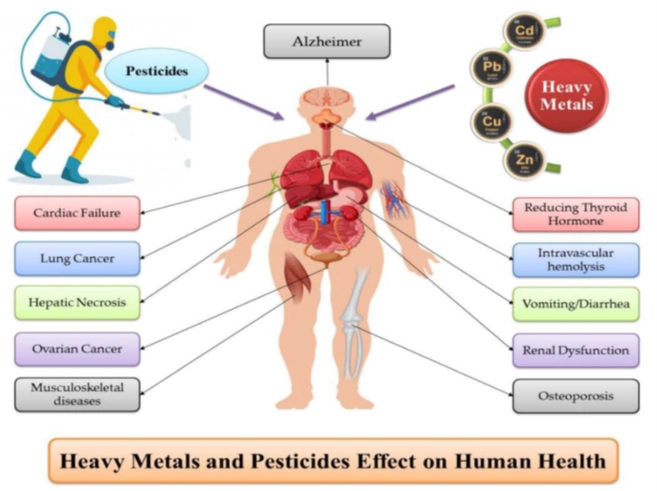
- Pesticides can cause short-term adverse health effects, called acute effects, as well as chronic adverse effects that can occur months or years after exposure.
- Examples of acute health effects include stinging eyes, rashes, blisters, blindness, nausea, dizziness, diarrhea and death.
- Examples of known chronic effects are cancers, birth defects, reproductive harm, immunotoxicity, neurological and developmental toxicity, and disruption of the endocrine system.
- Some people are more vulnerable than others to pesticide impacts. For example, infants and young children are known to be more susceptible than adults to the toxic effects of pesticides. Farm workers and pesticide applicators are also more vulnerable because they receive greater exposure.
- Acute (Immediate) Health Effects:
- Immediate health effects from pesticide exposure includes irritation of the nose, throat, and skin causing burning, stinging and itching as well as rashes and blisters. Nausea, dizziness and diarrhea are also common.
- People with asthma may have very severe reactions to some pesticides, particularly pyrethrin/pyrethroid, organophosphate and carbamate pesticides.
- In many cases, symptoms of pesticide poisoning mimic symptoms of colds or the flu.
- Since pesticide-related illnesses appear similar or identical to other illnesses, pesticide poisonings are often misdiagnosed and under-reported.
- Immediate symptoms may not be severe enough to prompt an individual to seek medical attention,
- Chronic (Long-term) Health Effects:
- Chronic health effects include cancer and other tumors; brain and nervous system damage; birth defects; infertility and other reproductive problems; and damage to the liver, kidneys, lungs and other body organs.
- Chronic effects may not appear for weeks, months or even years after exposure, making it difficult to link health impacts to pesticides.
- Pesticides have been implicated in human studies of leukemia, lymphoma and cancers of the brain, breasts, prostate, testes and ovaries.
- Reproductive harm from pesticides includes birth defects, still birth, spontaneous abortion, sterility and infertility.
- Endocrine disruptors are chemicals that — often at extremely low doses — interfere with important bodily functions by mimicking or blocking hormones. (the chemical messengers that circulate in blood and regulate many body processes including metabolism, brain development, the sleep cycle and stress response).
- Some pesticides act as endocrine disruptors and have been shown to cause serious harm to animals, including cancer, sterility and developmental problems. Similar impacts have been associated with human exposure to these chemicals.
- Children are More Vulnerable to Pesticide Exposure:
- Children are more vulnerable to pesticide exposure because their organs, nervous systems and immune systems are still developing.
- Children are also less able to detoxify and excrete pesticides.
- Exposure during certain early development periods can cause permanent damage.
- In addition to being more vulnerable to pesticide toxicity, children’s behavior and physiology make them more likely to receive greater pesticide exposure than adults. For Ex:
- Most pesticide exposure occurs through the skin and children have more skin surface for their size than adults.
- Children have a higher respiratory rate and so inhale airborne pesticides at a faster rate than adults. Children also consume proportionately more food and water — and pesticide residues — than adults, with their increased contact with floors, lawns and playgrounds, children’s behavior also increases their exposure to pesticides.
- Health Effects of Certain Classes of Pesticides:
- Organo-phosphates & Carbamates:
- These pesticides are like nerve gas: they attack the brain and nervous system, interfering with nerve signal transmission.
- Symptoms include headaches, nausea, dizziness, vomiting, chest pain, diarrhea, muscle pain and confusion.
- In severe poisoning incidents, symptoms can include convulsions, difficulty breathing, involuntary urination, coma and death.
- Acute poisoning of the nervous system by these pesticides affects hundreds of thousands of people around the world each year.
- Soil Fumigants:
- These pesticides are applied to soil, forming a gas that is toxic to nematodes, fungi, bacteria, insects, and plants in the soil. Because they are gases, they move from the soil into the air and expose people living or working nearby.
- Commonly used soil fumigants include 1,3-dichloropropene, chlorpicrin, metam sodium, and metam potassium.
- Symptoms of fumigant exposure include irritation of skin, eyes, and lungs (dichloropropene and chloropicrin), and extremely irritating to eyes and lungs (metam sodium and metam potassium).
- Dichloropropene, metam sodium, and metam potassium are all cancer causing chemicals and metam sodium causes reproductive harm.
- In counties where fumigant use is high, premature birth is more common than in counties with low fumigant use.
- Organo-phosphates & Carbamates:
- Pyrethroids:
- These insecticides are synthetic chemicals that are structurally similar to botanical compounds but have been designed to be more persistent.
- They are toxic to the nervous system, and there is concern that during pregnancy a fetus is not able to efficiently break down these chemicals.
- Symptoms of pyrethroid poisoning include tremors, salivation, headache, fatigue, vomiting, stinging and itching skin, and involuntary jerking.
- Many pyrethroids also cause long term health problems. For example, resmethrin causes both cancer and reproductive harm. Cyper-methrin, fenvale-rate, and delta-methrin all cause genetic damage and reproductive harm.
- Data from the Center for Disease Control and Prevention’s national biomonitoring program links pyrethroid exposure to heart disease.
Genetically modified food
Genetically modified foods (GM foods), also known as genetically engineered foods (GE foods), or bioengineered foods are foods produced from organisms that have had changes introduced into their DNA using the methods of genetic engineering.
Or
Genetically engineered (GE) foods have had their DNA changed using genes from other plants or animals. Scientists take the gene for a desired trait in one plant or animal, and they insert that gene into a cell of another plant or animal.
- Genetic engineering can be done with plants, animals, or bacteria and other very small organisms. Genetic engineering allows scientists to move desired genes from one plant or animal into another. Genes can also be moved from an animal to a plant or vice versa. Another name for this is genetically modified organisms, or GMOs.
- The process to create GE foods is different than selective breeding. This involves selecting plants or animals with desired characteristics and breeding them. Over time, this results in offspring with those desired characteristics.
- One of the problems with selective breeding is that it can also result in characteristics that are not desired. Genetic engineering allows scientists to select one specific gene to implant. This avoids introducing other genes with undesirable characteristics. Genetic engineering also helps speed up the process of creating new foods with desired characteristics.
Advantages of Genetically Modified Crops
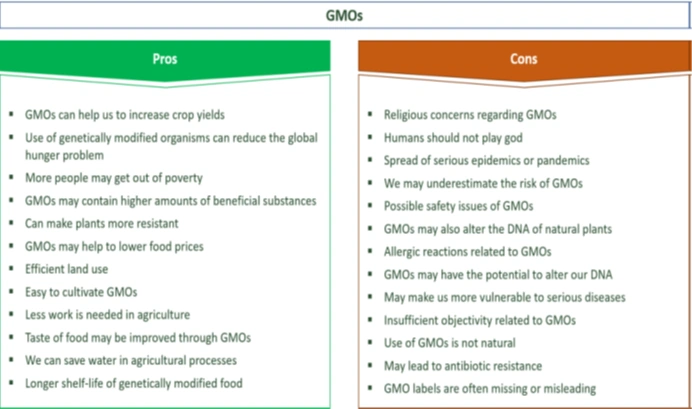
- According to a biomedical researcher, genetically modified crops are designed to be extra fast-growing, extra resistant to pests, and extra healthy. Scientists select the best characteristics to include in Genetically Modified Crops, and hence there are many advantages to it. They are:
- Fewer pesticides: Genetically Modified Crops are altered so that they are less susceptible to pests and insects. These crops come with a natural pesticide, and hence there is no need for spraying harmful pesticides. Since few pesticides are used, there is a low health risk for people consuming these crops and minor environmental damage.
- Cheap: Genetically Modified Crops are farmed to grow resourcefully. This helps farmers produce the same amount of food using less labor, less water, and a very minimum amount of pesticide compared to other conventional crops. Because few resources are required for production, food producers also charge lower prices for these foods.
- Rich in nutrients: Some specific genetically modified crops are designed for providing more nutrients like minerals or vitamins. These crops can significantly help in those regions where people often suffer from nutritional deficiencies.
- Increased yields: Genetically Modified Crops are prepared to be resistant to diseases due to their genetic modifications. This improves their sustainability and also increases yields. Due to increased yields, these crops can provide food for a swiftly increasing population. The production is more in small land areas.
Disadvantages of Genetically Modified Crops
- Genetically Modified Crops offer many advantages by reducing costs and producing crops with increased yields, but they also have certain disadvantages. They are:
- Increased antibiotic resistance: While creating genetically modified crops, scientists insert certain additional genes for specific modifications. While inserting new DNA into the cells of plants, an additional gene is added that makes the cells have resistance to antibiotics. Then an antibiotic is used to kill off any plant cells that did not take in the new DNA successfully.
- Allergic reactions: Genetically Modified Crops can cause allergic reactions in people. Since genetically modified crops contain the DNA of other organisms, the new DNA will likely activate allergic reactions in people who usually would not be allergic to the same food.
- Toxin production: Genetically Modified Crops may have increased toxin production at levels already harmful to humans. These toxins are produced either due to damage of the gene while inserting it into the DNA of another plant or when the gene inserted is not accepted by the receiver organism. Thus, consuming these foods with the toxin may cause harm to one’s health.
- Reduced nutritional value: There are reports that certain genetically modified foods are void of nutritional value. As genetic engineering focuses more on improving and increasing production, extending the lifespan of such crops, and preventing pests, the nutritional value is often overlooked, and hence it gets compromised. While making a crop more resistant to pests, it is also seen that there is a reduction in the antioxidant phytochemicals.
Dietary supplements or food supplements
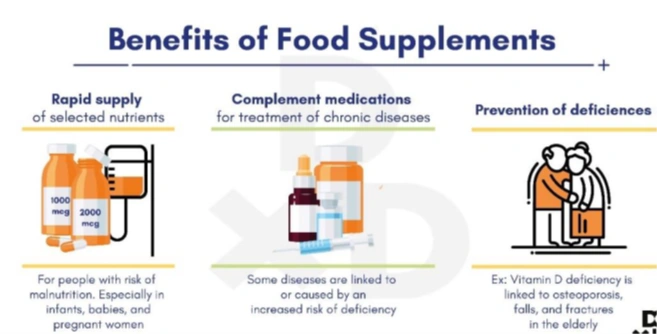
- Dietary supplements are also known as food supplements, they are synthetically manufactured products in the form of powder, pills or liquid. They are made to supplement the deficiencies that a person may have from their diet, work or lifestyle.
- A supplement typically contains one or more of the following:
- Vitamins
- Minerals
- Herbs or botanical substances
- Amino acids
- Fatty acids
- Enzymes, and much more
- In any form (concentrate, extract, or combinations).
- It is important to note that these products are meant to supplement, not to replace conventional whole foods
Indication or benefits
- Infants and children (vitamin D)
- Women who may become pregnant (folic acid)
- Pregnant women (folic acid and multivitamin)
- Vegans (vitamin B12, calcium, iron, and zinc)
- Those who do not consume dairy products (vitamin D and calcium)
- Adults older than 50 years (vitamins B12 and D)
- Those with dark skin (vitamin D)
- Individuals on restricted diets (multivitamin)
- Smokers, alcohol-dependent individuals, and those taking some medications (multivitamin)
- Women with heavy menstrual periods (iron)
- Individuals who frequently donate blood, as well as those with stomach and intestinal conditions (iron)
Dietary supplement regulation
- Dietary Supplements Regulated by a 1994 Dietary Supplement Health and Education Act (DSHEA).
- The manufacturer is responsible for ensuring that the product is safe, unadulterated, produced with good manufacturing practices, and properly and truthfully marked with a label.
- Dietary ingredients have to be federally regulated (by central government not the state government) and GRAS (generally recognized as safe)
Nutraceuticals
- The term “nutraceutical” is a combination of two words- “nutrient,” which is a nourishing food component, and “pharmaceutical,” which is a medical drug.
- Simply, Nutraceuticals means, NUTRITIVE + PHARMACEUTICAL: A food stuff (as a fortified food or dietary supplement) that provides health benefits.
- Nutraceutical is a substance that is a food or its part, which provides nutritional value and other health benefits, including disease prevention or health promotion.
- They may be
- Isolated nutrients
- Dietary supplements
- Genetically engineered food
- Genetically engineered herbal products.
Classification
Nutraceuticals are classified based on their natural source, chemical constitution, mechanism of action, or Traditional vs. Non-Traditional Nutraceuticals. This multifaceted approach helps researchers and consumers understand their physiological roles and therapeutic potential.
1. Classification by Natural Source
This is the most common categorization, grouping products by their origin:
- Plant-based (Phytochemicals): Bioactive compounds like Curcumin (from Turmeric), Lycopene (from Tomatoes), and Isoflavones (from Soy).
- Animal-based (Zoo-chemicals): Derived from livestock or marine life, such as Omega-3 fatty acids (Fish Oil) and Chondroitin (Animal Cartilage).
- Microbial: Products like Probiotics (Lactobacillus) or nutrients produced via fermentation.
- Minerals: Inorganic essential elements like Calcium, Magnesium, and Zinc.
2. Classification by Chemical Constitution
This method groups nutraceuticals based on their molecular structure:
- Isoprenoid Derivatives: Includes carotenoids (e.g., Beta-carotene) and saponins.
- Phenolic Substances: Includes flavonoids (e.g., Anthocyanins in berries) and non-flavonoids (e.g., Resveratrol in grapes).
- Fatty Acids & Lipids: Specifically essential fats like EPA and DHA (Omega-3s).
- Carbohydrates & Derivatives: Includes functional fibers and prebiotics like Inulin.
- Amino Acid-based: Proteins, peptides, and specialized amino acids like Glutamine or Creatine.
3. Classification by Mechanism of Action
This focuses on how the substance interacts with the body to provide health benefits:
- Antioxidants: Neutralize free radicals (e.g., Vitamin C, Vitamin E, Selenium).
- Anti-inflammatory: Reduce cellular or tissue inflammation (e.g., Ginger, Glucosamine).
- Hypolipidemic/Cardioprotective: Support heart health by lowering cholesterol (e.g., Garlic, Plant Sterols).
- Osteoprotective: Support bone density and joint health (e.g., Vitamin D3, Collagen Peptides).
4. Traditional vs. Non-Traditional Nutraceuticals
Industry experts often distinguish between naturally occurring and engineered products:
- Traditional: Whole foods in their natural form with established health benefits (e.g., fruits, vegetables, grains).
- Non-Traditional: Artificially produced or enhanced products, including:
- Fortified Foods: Added nutrients like Orange juice with Calcium or Cereals with Folic Acid.
- Recombinant Nutraceuticals: Produced using biotechnology or genetic engineering (e.g., enzymes or specific fermented foods).
Indications or benefits
In the medical and pharmaceutical fields, indications are the specific health conditions or symptoms for which a nutraceutical is used. Nutraceuticals are primarily indicated for preventative healthcare and as adjuvant therapy (supportive treatment) alongside conventional medicine
| Health Category | Common Indications | Key Nutraceuticals Used |
| Cardiovascular | Hypertension, Hyperlipidemia (high cholesterol), Atherosclerosis | Omega-3 fatty acids, Phytosterols, Garlic (Allicin) |
| Metabolic | Type 2 Diabetes, Insulin resistance, Obesity | Chromium picolinate, cinnamon, berberine, bitter melon. |
| Bone & Joint | Osteoarthritis, Osteoporosis, Rheumatoid arthritis | Glucosamine, Calcium, Vitamin D3 |
| Neurological | Alzheimer’s prevention, Parkinson’s support, Cognitive decline | Curcumin, Ginseng, Huperzine A |
| Dermatological | Photo-ageing (UV damage), Skin hydration, Pigmentation | Collagen peptides, Glutathione, Astaxanthin, Lycopene |
| Gastrointestinal | IBS, Chronic constipation, Gut microbiota imbalance | Probiotics (Lactobacillus), Prebiotics (Inulin, FOS), Fiber |
| Immunological | Recurrent infections (cold/flu), Immune system weakness | Vitamin C, Zinc, Astragalus |
Benefits of nutraceuticals
- Improve overall health
- Boost energy
- Relieve anxiety
- Improve mental clarity
- Enhance sleep quality and quantity
- Prevent chronic diseases
- Reduce drug cravings
- Delay the aging process
- Increase life expectancy
- Support and regulate bodily functions.
Drug-Food Interaction
- Drug-food interactions occur when a specific food or beverage alters the way a medication is processed in the body, leading to either reduced efficacy (treatment failure) or induce toxicity or increased toxicity (adverse effects). These interactions are generally classified into two pharmacological categories:
1. Pharmacokinetic Interactions (How the body handles the drug)
- These affect the absorption, distribution, metabolism, or excretion of a drug.
- Absorption: Food can bind to drugs (chelation), preventing them from entering the bloodstream.
- Example: Dairy products (calcium) bind to Tetracycline and Ciprofloxacin, making them less effective.
- Example: High-fiber foods can reduce the absorption of Digoxin (cardiac medication) and Levothyroxine (thyroid medication).
- Metabolism: Certain foods like grape juice inhibit intestinal enzymes (like Cytochrome P450 3A4).
- Ex: Grapefruit juice inhibits enzymes that break down Statins (cholesterol drugs) and Calcium Channel Blockers (blood pressure drugs), leading to dangerously high drug levels.
- Ex: Charbroiled foods can speed up the metabolism of Theophylline (asthma drug), reducing its effect.
- Absorption: Food can bind to drugs (chelation), preventing them from entering the bloodstream.
2. Pharmacodynamic Interactions (How the drug affects the body)
- These occur when a food has a similar or opposite medical effect to the drug.
- Antagonism (Opposing effects):
- Example: Leafy green vegetables (high in Vitamin K) counteract Warfarin (blood thinner), increasing the risk of blood clots.
- Synergy (Additive effects):
- Example: Tyramine-rich foods (aged cheese, red wine, cured meats) combined with Antidepressants can cause a life-threatening “hypertensive crisis” (spike in blood pressure).
- Example: Alcohol significantly increases the sedative effects of benzodiazepines and antihistamines and can cause severe liver damage when mixed with Acetaminophen.
- Antagonism (Opposing effects):
Common Summary Table
| Food/Drink | Interacting Drug | Primary Result |
| Grapefruit Juice | Atorvastatin, Felodipine | Increased toxicity risk |
| Dairy/Milk | Tetracyclines, Ciprofloxacin | Reduced drug efficacy |
| Leafy Greens | Warfarin | Reduced blood-thinning effect |
| Aged Cheese/Wine | Antidepressants | Severe high blood pressure |
| Alcohol | Metronidazole, Acetaminophen | Flushing/nausea or liver damage |
Best Practices to Avoid Interactions
- Check the Label: Many drugs specify “take on an empty stomach” (usually 1 hour before or 2 hours after eating) or “take with food” to avoid these issues.
- Stay Consistent: If a drug interacts with Vitamin K, it is often better to keep your intake of greens consistent rather than cutting them out entirely.
- Consult Professionals: Always inform your doctor or pharmacist of your typical diet and any nutraceuticals (herbs/supplements) you are taking.