
Ch-3 Nutrition & Health (10 hrs)
Syllabus:
- Basics of nutrition – Macronutrients and Micronutrients (3)
- Importance of water and fibres in diet (1)
- Balanced diet, malnutrition, nutrition deficiency diseases, ill effects of junk foods, calorific and nutritive values of various foods, fortification of food (3)
- Introduction to food safety, adulteration of foods, effects of artificial ripening, use of pesticides, genetically modified foods (1)
- Dietary supplements, nutraceuticals, food supplements – indications, benefits, Drug-Food Interactions (2).
Nutrition:
Definition:
Nutrition is the scientific study of food and how it interacts with the body. It involves the processes of ingestion, digestion, absorption, metabolism, and excretion of food substances to promote growth, maintenance, and repair of the body.
Health:
Definition of Health (WHO, 1948):
“Health is a state of complete physical, mental, and social well-being and not merely the absence of disease or infirmity (the state of being week).” This definition emphasizes that health is not just freedom from illness but a positive state of total well-being.
Dimensions of health:
- Physical Dimension: Refers to the proper functioning of the body and its organs.
Involves being physically fit, free from disease, and having enough energy for daily activities.
- Mental Dimension: Related to the ability to think clearly, make decisions, and cope (deal) with stress.
A mentally healthy person shows emotional stability, confidence, and self-control.
Examples: positive attitude, problem-solving ability, emotional balance.
- Social Dimension: Refers to the ability to make and maintain good / meaningful relationships with others.
Good social health includes not only having relationships but also behaving appropriately with them and maintaining socially acceptable standards.
It Involves communication, cooperation, and participation in community life.
- Spiritual Dimension: Associated with beliefs, values, and purpose in life.
Gives meaning to existence and promotes inner peace and moral strength.
Examples: faith, meditation, compassion, inner satisfaction.
- Emotional Dimension: The ability to express emotions appropriately and handle stress or sadness positively. Emotional health is closely linked to mental health.
Examples: self-control, empathy (The capacity to understand another person’s feelings, thoughts, and experiences from their perspective), optimism (An optimistic outlook is the belief that good things will happen and that a situation will ultimately be successful)
- Environmental Dimension: Refers to living in a clean, safe, and pollution-free environment. Includes access to clean air, water, food, housing, and sanitation.
Examples: safe surroundings, waste management, pollution control.
- Occupational Dimension: Relates to job satisfaction and maintaining a healthy work–life balance. A healthy occupation contributes to mental and social well-being.
Examples: fair working conditions, motivation, productivity.
Basics of nutrition – Macronutrients and Micronutrients:
Macronutrients:
- Macronutrients (“macros”) are the nutrients the body needs in large amounts to create energy and maintain bodily structure and systems. Unlike micronutrients (vitamins and minerals), macronutrients provide calories.
- The three main macronutrients are,
a. Carbohydrates
b. Protein, and
c. Fat. - They’re considered essential nutrients, meaning your body either cannot make them or cannot make enough of them.
- For example, carbohydrates contain sugar, proteins provide essential amino acids, while fats contain essential fatty acids. Your body utilizes these components for specific functions.
- Macronutrients also contain energy in the form of calories. Carbs are the main energy source, but your body can use other macronutrients for energy if needed.
- The calorie content of each macronutrient is:
Carbs: 4 calories per gram
Protein: 4 calories per gram
Fat: 9 calories per gram
Food sources of carbohydrates, protein, and fat
Sources of carbohydrates include:
(a) Whole grains: brown rice, oats, farro, and barley
(b) Vegetables: peas, potatoes, corn, and other starchy veggies
(c) Fruits: mangoes, bananas, figs, and apples
(d) Beans and legumes: black beans, lentils, and chickpeas
(e) Dairy products: milk and yogurt
Sources of protein include:
(a) Poultry: chicken and turkey
(b) Eggs: particularly egg whites
(c) Red meat: beef, lamb, and pork
(d) Seafood: salmon, shrimp, and cod
(e) Dairy products: milk, yogurt, and cheese
(f) Beans and legumes: black beans, lentils, and chickpeas
(g) Nuts and seeds: almonds and pumpkin seeds
(h) Soy products: tofu, edamame, and tempeh
Sources of fat include:
(a) Extra virgin olive oil
(b) Coconut: fresh, dried, and coconut oil
(c) Avocados: fresh avocado oil
(d) Nuts and seeds: almonds and pumpkin seeds
(e) Fatty fish: salmon and herring
(f) Dairy products: full fat yogurt and cheese
Macronutrients functions
Some of the main functions of carbohydrates include
- Instant energy: Glucose is the preferred energy source for your brain, central nervous system, and red blood cells.
- Storing energy: Glucose is stored as glycogen in your muscles and liver for later use when you need energy, for example after a longer period of fasting.
- Digestion: Fiber promotes healthy bowel movements.
- Helps you feel full. Fiber fills you up after eating and keeps you feeling full for longer
Some of the main functions of amino acids from protein include:
- Building and repairing: Amino acids help create new proteins within your body. They’re also used to build and repair tissues and muscles.
- Providing structure: Amino acids provide structure to your body’s cell membranes, organs, hair, skin, and nails.
- pH balance: Amino acids help maintain a proper acid-base balance within your body.
- Creating enzymes and hormones: Without the right amino acids, your body cannot create enzymes and hormones.
Some of the main functions of lipids, or fats, include:
- Cell membrane health: Lipids are an essential component of cell membranes.
- Storing energy: Fat stored around your body serves as an energy reserve that can be used during periods during which you eat fewer calories than you burn.
- Transport and absorption: Lipids help transport and promote the absorption of the fat-soluble vitamins K, E, D, and A.
- Insulation: Fat insulates and protects your organs.
Micronutrients:
- Micronutrients are the collective term for vitamins and minerals. Unlike macronutrients (protein, fat, and carbohydrates), your body requires these in much smaller quantities—hence the prefix “micro.” Despite the small amounts needed, they are vital for growth, immune function, brain development, and disease prevention.
- Vitamins are organic compounds: They are synthesized by plants and animals. As they are organic, they can be broken down by heat, acid, or exposure to air.
- Minerals are inorganic elements: They originate in soil or water and cannot be broken down.
- When you eat, you consume the vitamins that plants and animals have created, or the minerals they have absorbed from their environment.
- Achieving Optimal Health: Because every food has a unique micronutrient profile, a diverse diet is essential. Each vitamin and mineral plays a specific, non-negotiable role in your biology. Maintaining adequate intake of all micronutrients is the foundation for optimal health and long-term disease resistance.
- Types of Micronutrients: Vitamins and minerals can be divided into four categories:
- water-soluble vitamins, and fat-soluble vitamins,
- macrominerals, and trace minerals.
Micronutrients Functions
Water-Soluble Vitamins
- Most vitamins dissolve in water and are therefore known as water-soluble. They’re not easily stored in your body and get flushed out with urine when consumed in excess.
- While each water-soluble vitamin has a unique role, their functions are related.
- For example, most B vitamins act as coenzymes that help trigger important chemical reactions. A lot of these reactions are necessary for energy production.
- The water-soluble vitamins — with some of their functions — are:
- Vitamin B1 (thiamine): Helps convert nutrients into energy
- Vitamin B2 (riboflavin): Necessary for energy production, cell function and fat metabolism.
- Vitamin B3 (niacin): Drives the production of energy from food.
- Vitamin B5 (pantothenic acid): Necessary for fatty acid synthesis.
- Vitamin B6 (pyridoxine): Helps your body release sugar from stored carbohydrates for energy and create red blood cells.
- Vitamin B7 (biotin): Plays a role in the metabolism of fatty acids, amino acids and glucose.
- Vitamin B9 (folate): Important for proper cell division.
- Vitamin B12 (cobalamin): Necessary for red blood cell formation and proper nervous system and brain function.
- Vitamin C (ascorbic acid): Required for the creation of neurotransmitters and collagen, the main protein in your skin.
- As you can see, water-soluble vitamins play an important role in producing energy but also have several other functions.
- Since these water soluble vitamins are not stored in your body, it’s important to get enough of them from food.
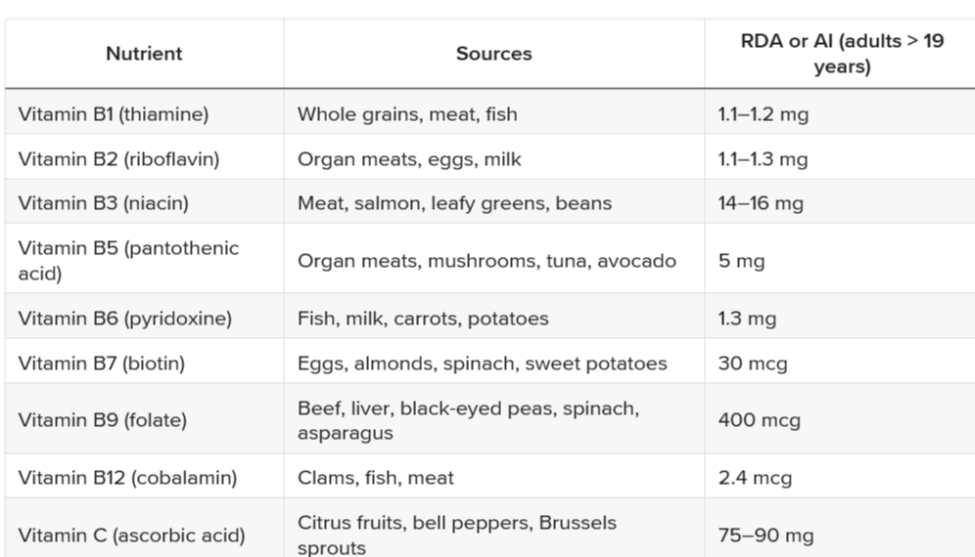
- Sources and Recommended Dietary Allowances (RDAs) or Adequate Intakes (AIs) of water-soluble vitamins are,
Fat-Soluble Vitamins
- Fat-soluble vitamins do not dissolve in water.
- They’re best absorbed when consumed alongside a source of fat. After consumption, fat-soluble vitamins are stored in your liver and fatty tissues for future use.
- The names and functions of fat-soluble vitamins are:
- Vitamin A: Necessary for proper vision and organ function.
- Vitamin D: Promotes proper immune function and assists in calcium absorption and bone growth.
- Vitamin E: Assists immune function and acts as an antioxidant that protects cells from damage.
- Vitamin K: Required for blood clotting and proper bone development.
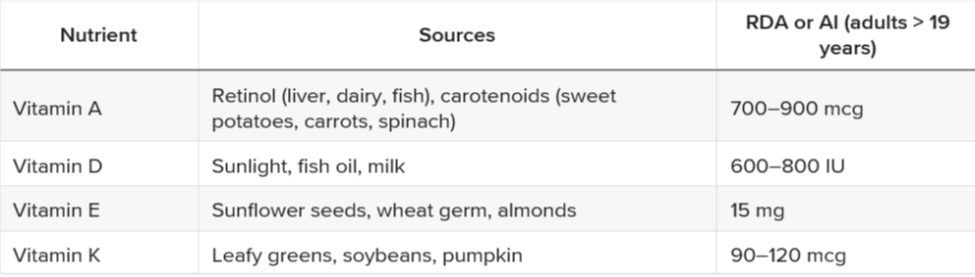
- Sources and recommended intakes of fat-soluble vitamins are,
Macrominerals
- Macrominerals are needed in larger amounts than trace minerals in order to perform their specific roles in your body.
- The macrominerals and some of their functions are:
- Calcium: Necessary for proper structure and function of bones and teeth. Assists in muscle function and blood vessel contraction.
- Phosphorus: Part of bone and cell membrane structure.
- Magnesium: Assists with over 300 enzyme reactions, including regulation of blood pressure
- Sodium: Electrolyte that aids fluid balance and maintenance of blood pressure.
- Chloride: Often found in combination with sodium. Helps maintain fluid balance and is used to make digestive juices.
- Potassium: Electrolyte that maintains fluid status in cells and helps with nerve transmission and muscle function.
- Sulfur: Part of every living tissue and contained in the amino acids methionine and cysteine
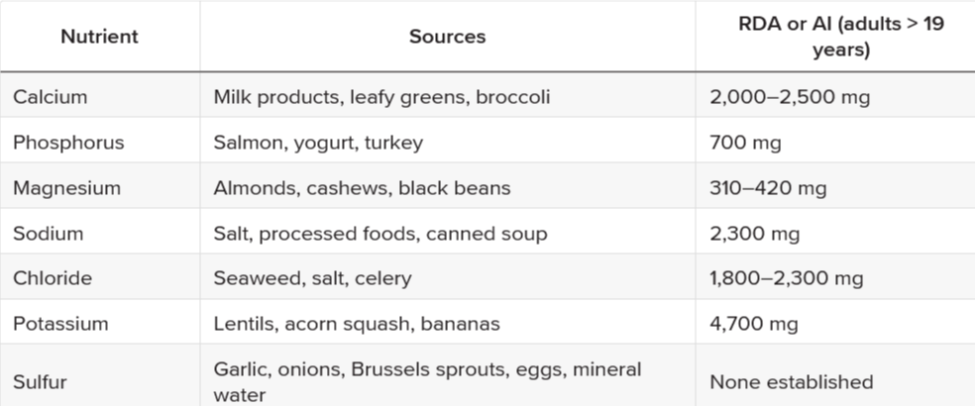
- Sources and recommended intakes of the macrominerals are,
Trace Minerals
- Trace minerals are needed in smaller amounts than macrominerals but still enable important functions in your body.
- The trace minerals and some of their functions are:
- Iron: Helps provide oxygen to muscles and assists in the creation of certain hormones.
- Manganese: Assists in carbohydrate, amino acid and cholesterol metabolism.
- Copper: Required for connective tissue formation, as well as normal brain and nervous system function.
- Zinc: Necessary for normal growth, immune function and wound healing.
- Iodine: Assists in thyroid regulation.
- Fluoride: Necessary for the development of bones and teeth.
- Selenium: Important for thyroid health, reproduction and defence against oxidative damage.
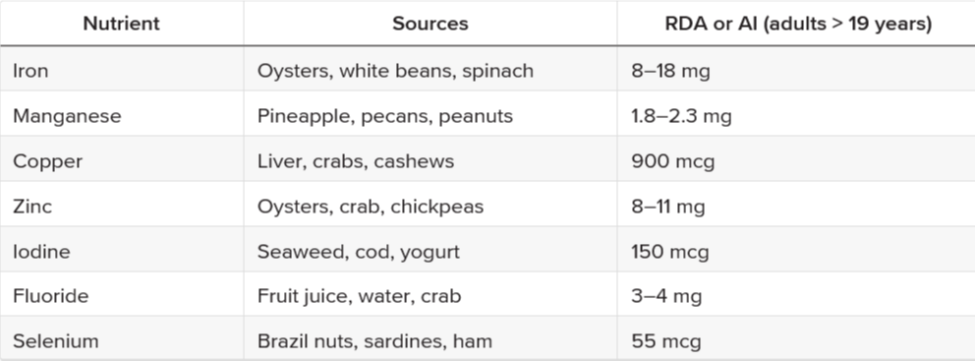
- Sources and recommended intakes of the trace minerals are,
Importance of water and fiber in diet:
Importance of water in diet:
- It helps create saliva.
- It regulates your body temperature.
- It protects your tissues.
- It helps excrete waste through perspiration, urination, and defecation.
- Lubrication and Protection: Water lubricates joints for smooth movement and acts as a shock absorber for sensitive tissues like the brain, spinal cord, and developing fetuses.
- It helps maximize physical performance.
- It helps prevent constipation.
- It aids in digestion.
- It helps with nutrient transportation and absorption.It helps you lose weight.It improves blood oxygen circulation.
- It helps keep skin bright.
- It helps fight off illness.
- Organ Health: Adequate intake reduces the burden on the kidneys and liver and lowers the risk of kidney stones and urinary tract infections.
Importance of fiber in diet:
- The complex carbohydrates that are not digested by human enzymes are collectively referred to as dietary fiber.
- These include cellulose, hemicellulose, pectin, Iignin, gums & mucilage.
- Some of the fibers are digestible by the enzymes of intestinal bacteria (e.g. pectins, gums.)
- Prevents constipation: Fiber helps to maintain the normal motility of gastrointestinal tract (GIT) & prevents constipation.
- Eliminates bacterial toxins: Fiber adsorbs large quantities of water & also the toxic compounds produced by intestinal bacteria that lead to increased fecal mass & its easier expulsion.
- Decreases GIT cancers: The lower incidence of cancers of gastrointestinal tract (e.g. colon & rectum) in vegetarians compared to non-vegetarians is attributed to dietary fiber.
- Improves glucose tolerance: Fiber improves glucose tolerance by the body. This is mainly done by a diminished rate of glucose absorption from the intestine.
- Reduces plasma cholesterol level: Fiber decreases the absorption of dietary cholesterol from the intestine.
- Fiber binds with the bile salts & reduces their enterohepatic circulation.
- Causes increased degradation of cholesterol.
- Satiety value: Fiber significantly adds to the weight of the foodstuff ingested & gives a sensation of stomach fullness.
Balanced diet, malnutrition, nutrition deficiency diseases, ill effects of junk foods, calorific and nutritive values of various foods, fortification of food
Balanced diet:
- A balanced diet is a strategic nutritional framework that provides the human body with the specific ratio of macronutrients (fuel) and micronutrients (regulators) required to maintain peak physiological function and hormonal homeostasis.
- The 7 components of a balanced diet are Carbohydrates, Proteins, Fats, Vitamins, Minerals, Fibre and Water.
- A nutritious, well-balanced diet lowers the risk of disease and enhances general health.
Benefits of balanced diet:
- May help you live longer.
- Keeps skin, teeth, and eyes healthy.
- Supports muscles.
- Stronger Immune System: Essential vitamins (A, C, E) and minerals (Zinc, Selenium) enable the body to fight off infections and recover faster from illness.
- Strengthens bones.
- Chronic Disease Reduction: Proper nutrition significantly lowers the risk of Type 2 diabetes, heart disease, hypertension, and certain cancers
- Supports healthy pregnancies and breastfeeding.
- Helps the digestive system function.
RDA (Recommended dietary allowance):
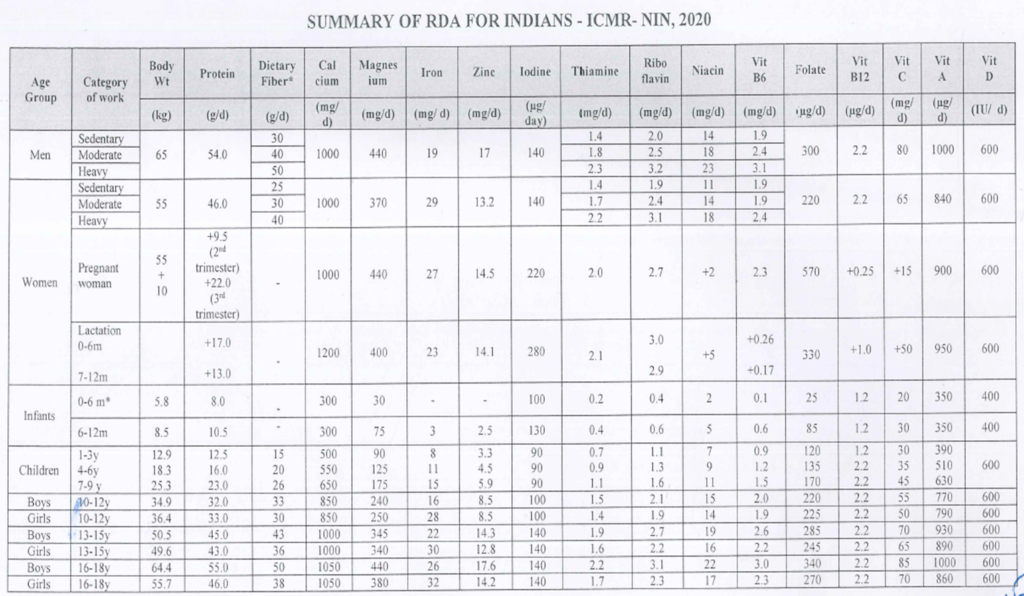
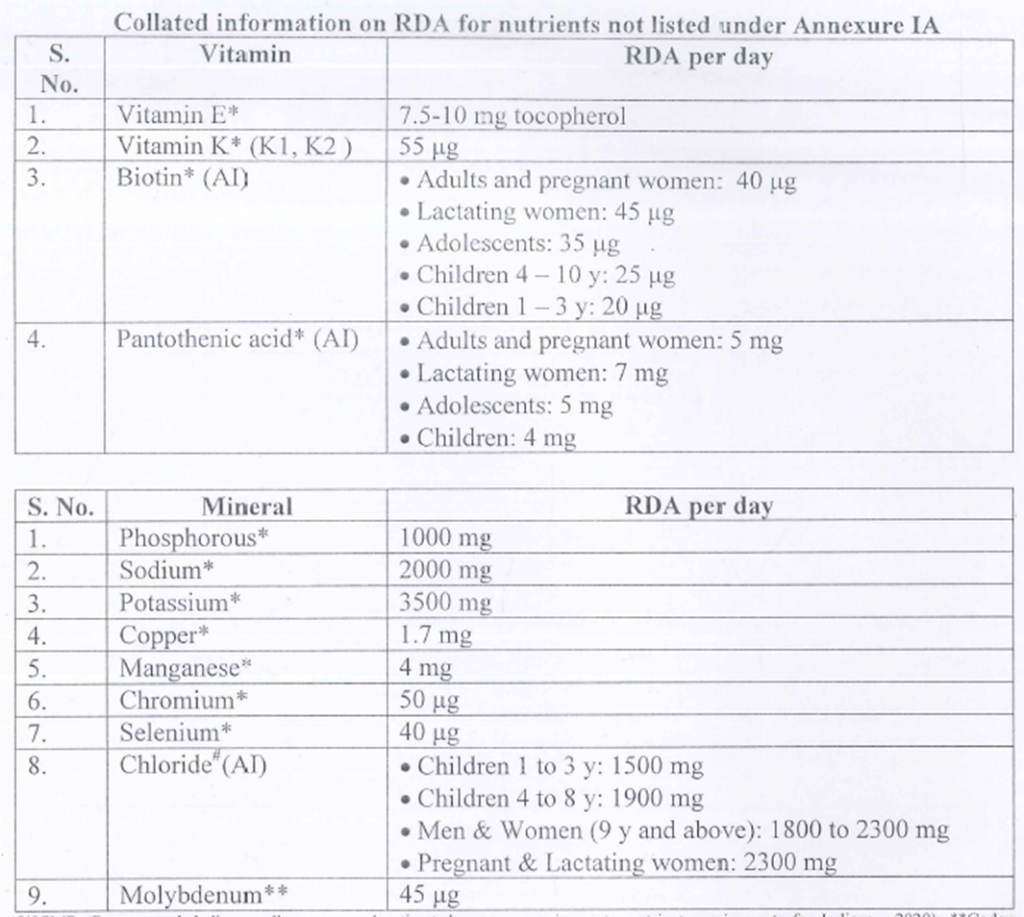
- Sec-22 of the Food Safety and Standards (FSS) Act 2006 allows the use of vitamins or minerals or amino acids in amount not exceeding the Recommended Dietary Allowance (RDA) for Indians in functional foods, foods for special dietary uses, nutraceuticals and health supplements.
- In India, the Indian Council of Medical Research (ICMR) and the National Institute of Nutrition (NIN) define the Recommended Dietary Allowances (RDA). The most recent comprehensive standards, RDA 2020, replaced the decade-old 2010 guidelines and are currently mandated by the FSSAI for food businesses.
Macronutrients
Macronutrients provide the bulk of energy and structural components for the body.
- Energy (Calories): Based on activity levels for a reference adult (65kg male, 55kg female).
- Sedentary: ~2,110 kcal (Men) | ~1,660 kcal (Women).
- Moderate: ~2,710 kcal (Men) | ~2,130 kcal (Women).
- Heavy: ~3,470 kcal (Men) | ~2,720 kcal (Women).
- Protein: Recommended at 0.83 g per kg of body weight for healthy adults (down from 1.0 g in 2010).
- Fats: Visible fat intake should be between 20g to 30g/day depending on activity levels. Total fat should not exceed 30% of total energy.
- Carbohydrates: Should constitute 45–65% of daily calories, with a minimum intake of 100–130g/day to support brain function.
- Fiber: At least 30g/day (based on a 2000 kcal diet) or 15g per 1000 kcal.
Importance of water and fiber in diet:
Importance of water in diet:
- It helps create saliva.
- It regulates your body temperature.
- It protects your tissues.
- It helps excrete waste through perspiration, urination, and defecation.
- Lubrication and Protection: Water lubricates joints for smooth movement and acts as a shock absorber for sensitive tissues like the brain, spinal cord, and developing fetuses.
- It helps maximize physical performance.
- It helps prevent constipation.
- It aids in digestion.
- It helps with nutrient transportation and absorption.
- It helps you lose weight.
- It improves blood oxygen circulation.
- It helps keep skin bright.
- It helps fight off illness.
- Organ Health: Adequate intake reduces the burden on the kidneys and liver and lowers the risk of kidney stones and urinary tract infections.
Importance of fiber in diet:
- The complex carbohydrates that are not digested by human enzymes are collectively referred to as dietary fiber.
- These include cellulose, hemicellulose, pectin, Iignin, gums & mucilage.
- Some of the fibers are digestible by the enzymes of intestinal bacteria (e.g. pectins, gums.)
- Prevents constipation: Fiber helps to maintain the normal motility of gastrointestinal tract (GIT) & prevents constipation.
- Eliminates bacterial toxins: Fiber adsorbs large quantities of water & also the toxic compounds produced by intestinal bacteria that lead to increased fecal mass & its easier expulsion.
- Decreases GIT cancers: The lower incidence of cancers of gastrointestinal tract (e.g. colon & rectum) in vegetarians compared to non-vegetarians is attributed to dietary fiber.
- Improves glucose tolerance: Fiber improves glucose tolerance by the body. This is mainly done by a diminished rate of glucose absorption from the intestine.
- Reduces plasma cholesterol level: Fiber decreases the absorption of dietary cholesterol from the intestine.
- Fiber binds with the bile salts & reduces their enterohepatic circulation.
- Causes increased degradation of cholesterol.
- Satiety value: Fiber significantly adds to the weight of the foodstuff ingested & gives a sensation of stomach fullness.
Malnutrition:
Malnutrition is a broad medical term referring to a deficiency, excess, or imbalance in a person’s intake of energy and nutrients. It is categorized into two main forms: undernutrition (insufficient intake) and overnutrition (excessive intake).
1. Macronutrient Deficiency Diseases (Undernutrition):
This occurs from a severe lack of primary energy sources: carbohydrates, proteins, and fats.
Carbohydrates:
- In carbohydrate starvation, the body shifts from glycolysis (breakdown of glucose) to lipolysis (breakdown of lipids) and ketogenesis (fatty acid to ketone bodies). The resultant accumulation of ketoacids can lower blood pH. If arterial blood pH drops significantly below the 7.35–7.45 range, it can lead to systemic complications and, if left untreated, permanent organ damage.
- Ketosis is a metabolic state where the body utilizes fat for energy instead of glucose due to low carbohydrate intake (typically <50g/day). The liver converts fats into ketones to fuel the brain. While it offers benefits like weight loss and blood sugar control, short-term side effects include the “keto flu” (headaches, nausea) and constipation due to low fiber
- Hypoglycemia: Hypoglycemia occurs when blood glucose drops below 70 mg/dL. This lack of readily available fuel leads to symptoms such as giddiness, fatigue, and irritability. In severe cases, it can lead to neuroglycopenic symptoms like delirium, seizures, or loss of consciousness.
- Constipation: Dietary fiber, a non-digestible carbohydrate, is essential for maintaining gut motility and health. It adds bulk to stool and promotes regular bowel movements. A chronic lack of fiber is a primary cause of constipation and is linked to an increased risk of colorectal cancer.
Proteins:
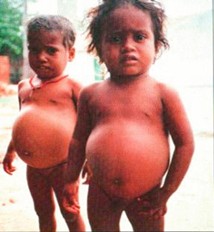
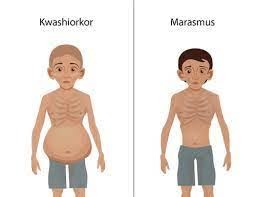
Kwashiorkor: A severe protein deficiency, often occurring in children weaned from breast milk to a high-carbohydrate, low-protein diet mostly from carbohydrates such as yams, rice and bananas. It usually affects older children. People with kwashiorkor appear puffy in the abdomen area from retention of fluid, “moon face,” thinning hair, and flaky skin.
Marasmus: Young children and infants are vulnerable to consequences of lack of protein. Marasmus is a severe lack of important nutrients. People affected by marasmus look frail and thin. This is a fatal disease that causes weight loss, and dehydration.
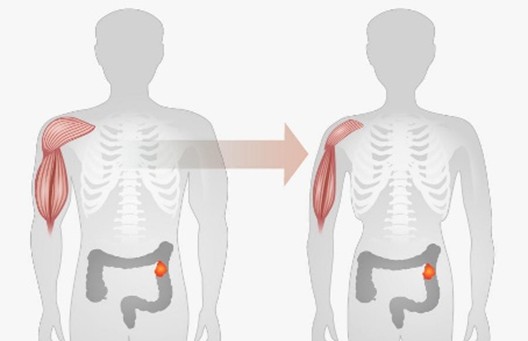
Cachexia (wasting syndrome): is a condition that causes significant weight loss and muscle loss. It often affects people with severe chronic diseases like advanced cancer and heart disease. A cachexia diagnosis often means that the end of life is near. Healthcare providers treat cachexia by managing the underlying condition and by improving nutrition.
Protein C and Protein S Deficiency: Protein C and S deficiencies are hereditary or acquired blood disorders caused by low levels of anticoagulant proteins, leading to a high risk of abnormal blood clots (thrombophilia). These deficiencies cause symptoms like pain, swelling, or redness (deep vein thrombosis), with a high risk for pulmonary embolism.

Fats
- Poor vitamin absorption: A,D,E,K are not absorbed due to lack of fat, blood clotting, metabolism of cells and immunity decreases.
- Depression: Serotonin named fluid helps calmness of brain which works efficiently by presence of fats, so if fats are absent chances of depression are more.
- Colon, breast and prostate cancer can be caused by not eating healthy fats.
- Imbalance of nutrients
- Low energy.
- Overeating.